

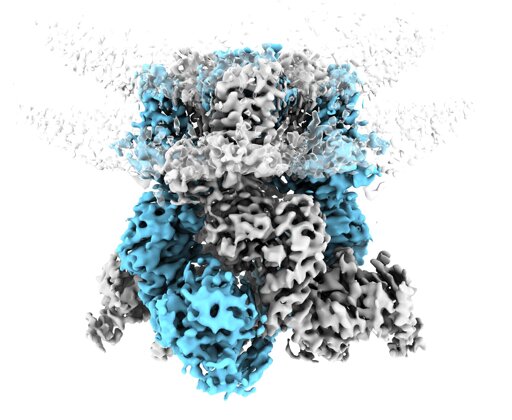
When you reach into a bucket of ice, open your front door on a snowy day, or feel the tingle of menthol toothpaste, a protein in your nerve cells called TRPM8 springs into action, opening like a tiny gate to send a “cold” signal to your brain. Now, UC San Francisco researchers have discovered how TRPM8 changes its shape when exposed to cool temperatures. The work, published in Nature, could one day be used to help treat pain that is triggered by cold. It also answers a long-standing question about why birds—which also have TRPM8 in their nerve cells—are far less cold sensitive than mammals.
From Biology News - Evolution, Cell theory, Gene theory, Microbiology, Biotechnology via This RSS Feed.
You must log in or # to comment.