

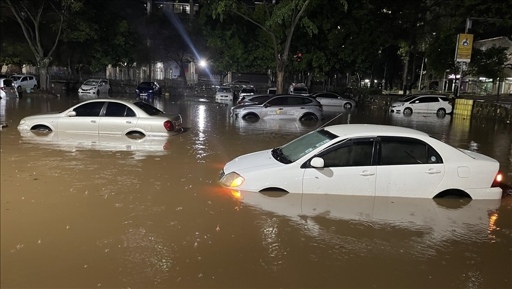
March 23 was world Meteorological Day, which celebrates the science of helping humanity understand and predict the weather. However, in eastern Kenya, the day came as families were mourning the deaths of lives lost to ongoing heavy rains. Two people died after a rain-soaked wall collapsed on them, a little girl was swept away while grazing livestock, and more than 100 kilometers (60 miles) away in Baringo county, a woman and a 4-year-old child were killed after a landslide swept away their house. More than 80 people died nationwide. At least 21 of the country’s 47 counties were affected, including the capital, Nairobi, with at least 37 fatalities. Many more people have been forced to leave their homes. Almost 70,000 people have been displaced, according to Relief Web. The Kenya Meteorological Department forecasted heavy localized rainfall, above 20 millimeters (0.8 inches) in 24 hours, across multiple regions, cautioning floods, landslides and poor visibility. It has continued to share more forecasts daily. Experts attribute the heavy rains to climate change, rapid urbanization and land use change. There have also been claims of gaps in governance. Cabinet secretary for environment, climate change and forestry (ECCF), Deborah Barasa, recently underscored the need to conserve critical ecosystems such as the Mau Forest Complex and encouraged the use of seasonal forecasts and agro-meteorological advisories to improve planning and productivity. Festus Ng’eno, a principal secretary with ECCF, said reliable weather and climate information were critical for safeguarding lives. “Kenya continues to experience climate variability … with…This article was originally published on Mongabay
From Conservation news via This RSS Feed.