

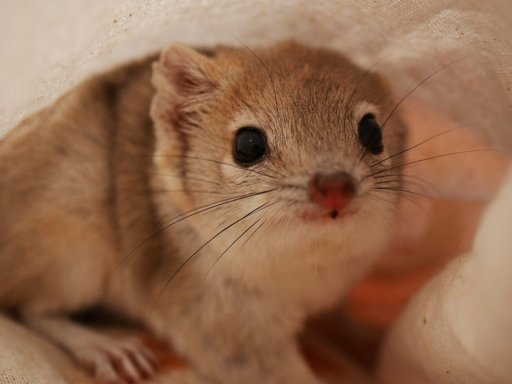
The ampurta, a blond or brown guinea pig-sized marsupial, is distinctive for its short, fat tail that becomes a black mohawk at the tip. This micro-predator, also known as the crest-tailed mulgara, was once abundant in the arid, sandy landscapes of Central Australia as well as Western Australia. But by 1994, it had been listed as nationally endangered. Humans were behind the decline of the ampurta (Dasycercus hillieri). A wave of dramatic wildlife declines and extinctions occurred in Central Australia from the 1930s to the 1960s as colonizers spread into the continent’s interior, converting land for agriculture and bringing in foreign animals, Chris Pavey, a wildlife ecologist at government research agency CSIRO, told Mongabay. The British had imported red foxes (Vulpes vulpes) and European rabbits (Oryctolagus cuniculus) for hunting parties, and the domestic cats (Felis catus) they brought along sometimes went feral. These introduced species altered the ecosystem and took a deadly toll on ampurtas and other small animals. But unlike most impacted species, ampurtas are making a big comeback. Their resurgence has occurred over the course of three decades, happening despite unprecedented, prolonged drought, which itself drives wildlife declines, and which tends to be more acute in arid regions. Research documenting the recovery was published in the journal Biological Conservation. Ecologist Dympna Cullen, who was then working on her Ph.D. at the University of New South Wales (UNSW), led the inquiry. She built on a 2016 study that tracked the ampurta’s initial bounce-back after rabbit hemorrhagic disease virus, also…This article was originally published on Mongabay
From Conservation news via This RSS Feed.