

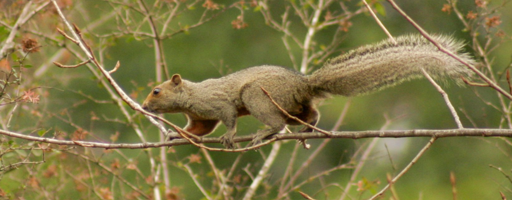
Scientists have updated the conservation status of hundreds of mammals in Argentina, adding previously unassessed species and revising biodiversity threat levels. The assessment evaluated 417 native mammal species across the country, identifying national threats even in species that are listed as least concern. More than 500 scientists contributed to the effort, which also involved a new way of measuring the impact of non-native mammals. “Some species are more at risk of disappearing than others, either because they’re more exposed or because their biology and ecology make them more affected by certain [factors],” Javier Pereira, general coordinator of the 2025 Categorization of the Mammals of Argentina, told Mongabay. “We need to measure that in order to have an indication of which species are more at risk than others.” The Argentine Society for the Study of Mammals (SAREM), a national collective of scientists, conducts periodic assessments of the conservation status of mammal species in Argentina. Its goal is to better understand population trends and threats across the country’s many ecosystems. Species expert teams review available scientific literature, monitoring data and field observations from the previous five years and then assign conservation statuses, which are then reviewed and formally validated by a committee. This time around, they evaluated 417 mammal species, 22 more than the 395 species evaluated in 2019. The increase reflects newly discovered mammals, Pereira said, but also taxonomic revisions to mammals that were once grouped together and are now recognized as distinct species. The non-native red deer (Cervus elaphus) in…This article was originally published on Mongabay
From Conservation news via This RSS Feed.