

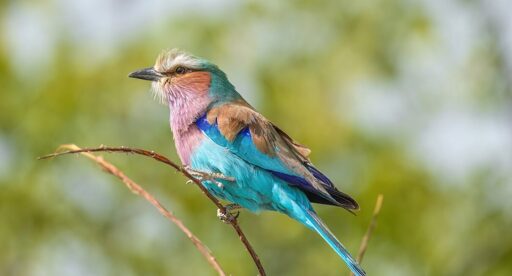
In Namibia’s Karas Region, birds are more than symbols of freedom or beauty — they are teachers of resilience. Their survival in arid landscapes mirrors the endurance of the communities who live alongside them. Grassroots bird conservation projects here have revealed something profound: protecting birds can also strengthen families, nurture hope, and build social cohesion. Across villages in Karas, parents and children tend habitats together, restoring nesting sites and planting native vegetation. These acts of care are not only ecological interventions; they are lessons in patience and problem solving. When a child sees a weaverbird return to a reed bed that the community has protected, it is a moment of triumph that teaches perseverance in the face of environmental challenges. Women and youth are at the forefront of these initiatives. In one community, a group of young women organized bird walks for schoolchildren, teaching them to identify species like the sociable weaver and the pale chanting goshawk. Their leadership has inspired confidence among peers and shown that conservation is not the domain of scientists alone — it is a practice of everyday resilience. Sociable weavers nesting in acacia trees, Karas Region, Namibia. Image courtesy of Martha Karas. These projects also counter the isolation that environmental stress can bring. Droughts and land degradation often erode social bonds, but bird conservation has become a rallying point. Families gather to monitor nesting sites, share stories, and celebrate small victories. In doing so, they weave resilience into the social fabric. Conservation here is not…This article was originally published on Mongabay
From Conservation news via This RSS Feed.