

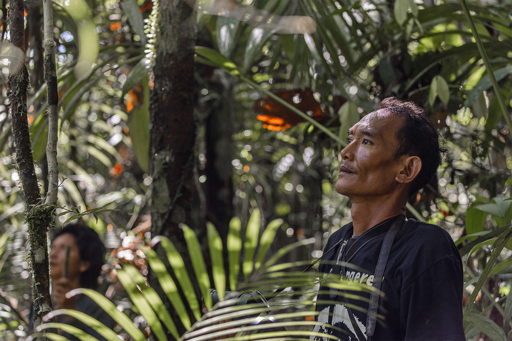
A report and policy brief by Asia Indigenous Peoples Pact (AIPP) found that Indigenous peoples in Asia think they are having little sway on their nation’s biodiversity goals — despite the global U.N. biodiversity agreement calling on countries to ensure their full and effective participation in decision-making. The report gathered 85 survey responses from 15 countries and 59 Indigenous organizations across Asia, documenting the inclusion of Indigenous peoples in the national biodiversity strategies and action plans (NBSAP) revision processes across these countries. The report focused on Asia, where nearly two-thirds of the world’s Indigenous peoples are located, though many governments do not recognize this status. It found participation, implementation and policy gaps in the countries’ national biodiversity plans. Survey respondents said they had limited influence over outcomes, as Indigenous peoples were not treated as equal partners. However, the report also found that Indigenous peoples increasingly participated in the NBSAP revision processes compared with a previous global biodiversity agreement for the 2011-20 period. When they did participate, roughly 60% reported that participation was not meaningful, and 49% of respondents engaged in the NBSAP processes said they did not know whether their inputs were reflected in the final documents. A small minority of people (9%) received NBSAP update information directly from the government. Indigenous sources told Mongabay they sometimes felt “tokenized” as part of the process. “Indigenous peoples were marginalized in terms of power-sharing as final decisions on what goes into the NBSAP were made by the concerned government ministries and officials,…This article was originally published on Mongabay
From Conservation news via This RSS Feed.