

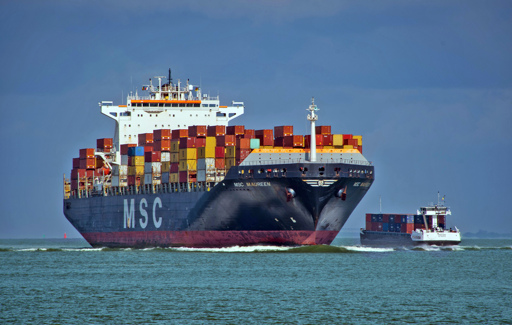
Africa’s future prosperity depends on how fast we can reduce emissions, especially from large polluting sectors like shipping. But using crops as fuel to cut emissions risks causing more harm than good. As countries gather at the UN’s International Maritime Organization (IMO) meeting in April to lay down the rules for future clean energy to power shipping, African governments must ensure that crop-based biofuels are not part of the solution. If that does happen, Africa might once again find itself paying the price for a transition from which it may not benefit. Shipping, as with other heavily polluting sectors, must decarbonize. But not all climate solutions are equal. The expansion of biofuels, often portrayed as ‘green’ in international shipping dialogues, could intensify pressures on land and food systems that are already stretched to the limit. As our work has shown, competition for land has reached a breaking point across Africa. Since 2000, hundreds of large-scale land deals have been recorded for industrial farming, carbon credits, mining, and biofuels. What is often presented as ‘unused’ or ‘marginal’ land is, in reality, the basis of livelihoods for small-scale farmers and Indigenous communities who are being displaced or stripped of control over their territories, which drives land inequality, rural poverty, and food insecurity. Biofuels for shipping risks accelerating this trajectory. Farmers at Yangambi, Democratic Republic of Congo. Image by Axel Fassio/CIFOR via Flickr (CC BY-NC-ND 2.0). Shipping consumes roughly 300 million tons of fuel each year, and is responsible for 3% of global…This article was originally published on Mongabay
From Conservation news via This RSS Feed.