

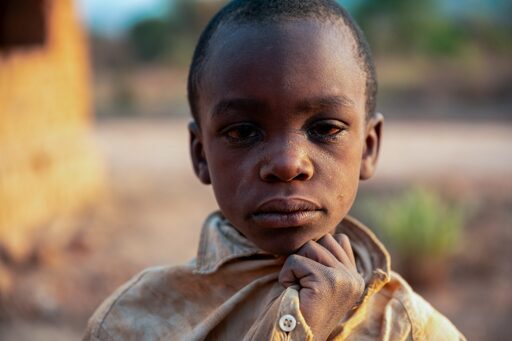
In 2024, the mother of a 6-month-old baby described to the Environmental Investigation Agency (EIA) what happened to her son after one of Africa’s largest copper and cobalt processing complexes was built just a few hundred meters from their home. “One evening, he started vomiting blood. He vomited more than three times, and then he died. That’s when I realized his death was caused by air pollution. I am not alone in this situation.” The mother and her child lived in Manomapia, in southeastern Democratic Republic of Congo. The facility that allegedly sickened her child is owned by Tenke Fungurume Mining (TFM), a Congolese subsidiary of the Chinese company CMOC. The mine is set to provide 100,000 metric tons of copper to the United States. The processing facility, roughly the size of 500 football fields, according to the EIA, is known as the “30K plant” because it can process 30,000 tons of mixed copper-cobalt ore per day. Both copper and cobalt are key components in lithium-ion batteries, used in electric vehicles, computers and smartphones. “From the moment 30K began operating in 2023, people in Manomapia began complaining about really serious health issues, including vomiting and coughing up blood, life-threatening respiratory infections and maternal health complications,” Luke Allen, Africa program campaigner for EIA, told Mongabay in a phone call. Allen spent three years investigating the issue, conducting air quality monitoring and reviewing from a nearby clinic, later analyzed by an independent expert. “We found that levels of sulfur dioxide (SO₂) in…This article was originally published on Mongabay
From Conservation news via This RSS Feed.