

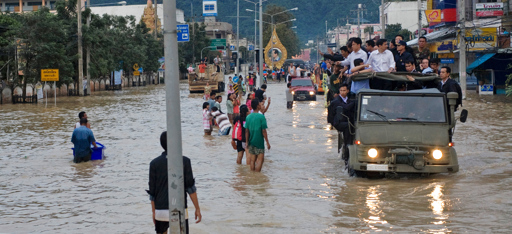
Every year, Chinese New Year festivals in southern Thailand’s Hat Yai attract tourists, mostly from neighboring Malaysia, generating a significant proportion of annual income for a city dependent on tourism. But not this year. Three months after the November 2025 flood disaster, the new year is being celebrated with continuing cleaning, scrubbing mud from people’s homes and shops, and clearing away piles of water-damaged vehicles, furniture and rotting rubbish. More than 40% of hotels, shops and restaurants remain shut. Some might not reopen at all. It’s not just about cleaning up and reviving the city with festivals, but convincing businesses and the private sector to stay in the largest economic hub in southern Thailand. The business sector is still reeling from the effects of COVID-19 lockdowns. Somporn Siriporananon, a former vice president of the Chamber of Commerce of Songkhla province, where Hat Yai is located, said he’s extremely anxious about the slow recovery. “The business sector doesn’t have the confidence to invest in recovery or new ventures,” he said. “The risk of another large flood is too high and there is a general feeling it might not be worth it. This is especially the case for the SMEs [small and medium-sized enterprises].” Such apprehension is understandable. In the last 40 years, Hat Yai has experienced four major flood disasters, each more costly and deadlier than the last. The 1988 disaster caused losses of 4 billion baht, or about $158 million at the exchange rate back then. The 2000 and 2010…This article was originally published on Mongabay
From Conservation news via This RSS Feed.