

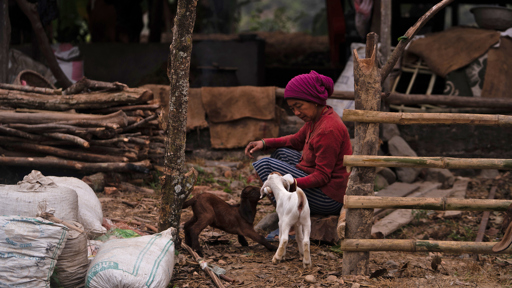
BARDIYA, Nepal — On the morning of Feb. 6, the road leading to the Bardiya District Administration Office in western Nepal was filled with people moving as one. Dust rose from their footsteps. Voices layered over each other, murmurs turned into chants and anger hardened into demands that echoed off the building’s walls. Dozens pushed through the main gate, some carrying hastily painted banners, others empty-handed but resolute. Their three demands: fair compensation for families, death to leopards that attacked villagers and protection for people who should have been there all along. As Nepal celebrates major conservation gains, rural women in forest-edge communities like Bardiya are increasingly exposed to human–wildlife conflict because migration-driven labor shifts and daily subsistence work push them into the same forest corridors where wildlife movement and deadly encounters are most likely. The previous day, in the span of a few hours, a man and a woman had been killed by leopards, one while cutting grass in the community forest, the other while working in her own field. Women in the buffer zone in Bardiya head home after collecting grass. Image by Tulsi Rauniyar for Mongabay. A winter of fatal encounters The protest marked the breaking point of a winter shaped by repeated wildlife attacks — a pattern many residents trace to December 2025, in Madhuwan, a settlement along the outer edge of Bardiya National Park, home to 125 of Nepal’s 355 tigers. Weeks before the protest reached Bardiya’s administrative offices, mornings in Madhuwan began much the…This article was originally published on Mongabay
From Conservation news via This RSS Feed.