

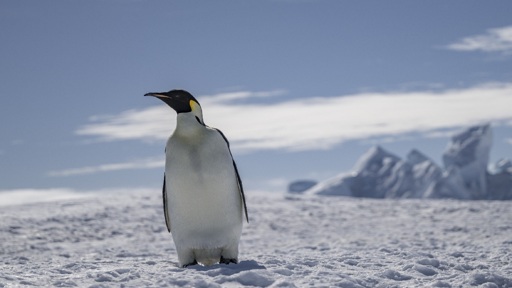
The plight of the emperor penguin might be more dire than previously thought. For the first time, scientists have used satellite data to discover new locations in Antarctica where the birds go to shed and replace their feathers every year, an event known as molting. However, they also found that these molting sites might have melted from under the penguins, potentially causing fatalities. Emperor penguins (Aptenodytes forsteri), native to Antarctica, are the biggest of the penguin species. Since they heavily rely on sea ice for their survival, global warming is one of the major threats to their existence. A 2021 study estimated that the birds could lose 98% of their colonies and become “quasi-extinct” by the end of the century if sea ice continues to decline at projected rates. Every year, around late January, emperor penguins move to stable sea ice attached to a coastline to molt. It’s a life stage that scientists dub “catastrophic molting” because, unlike other animals, penguins shed all their feathers at once. Molting, however, is a vulnerable life stage. For one, the process of shedding and growing new plumage consumes a lot of energy. Over the four to five weeks of molting, the birds also lose 40-50% of their body weight. “Because the penguin is not waterproof during that period, they can’t go out into the sea to forage and hunt,” Peter Fretwell, senior geographic and remote-sensing scientist at the British Antarctic Survey, who discovered the new molting sites, told Mongabay in a video interview.…This article was originally published on Mongabay
From Conservation news via This RSS Feed.