

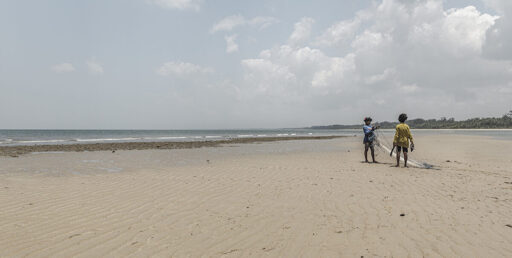
In the remote coastal areas of eastern Indonesia, a centuries-old tradition is providing a contemporary blueprint for sustainable development. The practice, known as Sasi Laut, imposes temporary fishing closures of six to 12 months to allow sedentary marine species such as sea cucumbers and shellfish to replenish. A new study published in Marine Policy reveals that these traditional marine management systems near the islands of Maluku and Papua mirror Indonesia’s Blue Economy Roadmap 2023, a national plan to boost the maritime sector’s GDP contribution to while maintaining healthy oceans. Sasi is more than just a conservation tool, according to study author Arnoldus Ananta of James Cook University in Australia; it’s a powerful governance system. “Decisions about when to close fishing areas, which species to protect, and when and how to harvest are made collectively by the community through customary institutions,” Ananta told Mongabay. “This collective control creates a structural barrier against the risks of privatization and industrialization associated with Blue Growth.” “Blue Growth” refers to the industrial and commercial expansion of the maritime economy, which often prioritizes large-scale development. Remote communities frequently face the greatest risk from such development, the study notes. But Ananta said a practice like Sasi leaves “no open access windows for exploitation” when outside commercial actors, like large fishing companies or tourism investors, seek access to marine resources. Instead, they encounter a community with recognized control rights over closure periods and harvest events. Co-author Reniel Cabral cautions that such temporary closures are not enough to stop…This article was originally published on Mongabay
From Conservation news via This RSS Feed.