

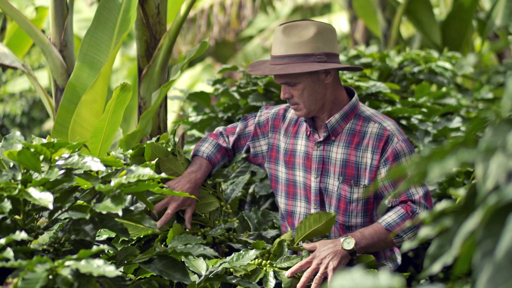
Costa Rica’s famous coffee industry says it’s nearly ready for EUDR. The upcoming European Union Deforestation Regulation (EUDR) requires that all coffee shipped into the EU not come from recently deforested land, prompting Costa Rica to develop a pilot program with its largest coffee cooperative. The initial program provided tools and training to help growers, processors, roasters and exporters comply with the new rules. Over the past year, this pilot has expanded, giving these resources to all coffee producers nationally — and bringing Costa Rica closer to being one of the first nations to certify an entire sector as EUDR-ready. Costa Rica’s success serves as an important case study for the coffee industry, both in how others might prepare for the new rules, and why they may struggle in comparison. “I think we’ve seen a lot of discourse that says it’s basically impossible to comply with this law, and pilots like [Costa Rica’s] showcase that this is a wrong narrative,” said Janina Grabs, associate professor of sustainability research at the University of Basel in Switzerland, who studies agricultural commodities. “But they also showcase the alternative narrative, which is more truthful, which is that it’s going to be harder for some to comply than others.” Coffee is one of seven commodities covered by the EUDR; the others are cattle, cocoa, palm oil, rubber, soy and timber. While coffee’s impact is fractional compared to the massive deforestation undergone for cattle, palm oil and soy, the World Resources Institute estimates that between 2001…This article was originally published on Mongabay
From Conservation news via This RSS Feed.