

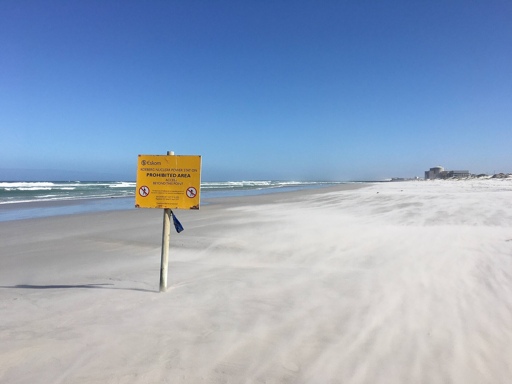
South Africa has endorsed the Declaration to Triple Nuclear Energy Capacity by 2050, joining 33 other countries that signed the nonbinding pledge during the United Nations climate summit in Dubai in 2023. Tsakane Khambane, spokesperson for South Africa’s Ministry of Electricity and Energy, told Mongabay via email that the move marks a “significant moment” beyond South Africa’s borders. It reflects a commitment to “energy security, expanding energy access, and achieving climate goals,” Khambane said. The decision was announced during the Africa Energy Indaba held March 5 in Cape Town. There, Kgosientsho Ramokgopa, minister of electricity and energy, said nuclear power is of “structural necessity” for South Africa’s future energy mix. But Ramokgopa said the biggest challenge for African countries to expand nuclear power is fairer financing from international lenders, multilateral institutions and supplier countries. “If the world is serious about tripling nuclear capacity by 2050, Africa must be central to that ambition. That requires financing structures aligned with developmental realities,” he said. Currently, more than 80% of South Africa’s electricity supply is derived from coal, a primary driver of climate change. Renewables such as wind, solar and hydro contribute around 10%, while nuclear power, primarily from the Koeberg plant, accounts for about 4% of the country’s electricity generation. South Africa is pursuing a diversified energy mix that includes coal, nuclear, renewables and hydropower. However, the government says it expects the composition to change significantly in the coming decades as renewable and nuclear energy expand. Growing demand coupled with an unreliable…This article was originally published on Mongabay
From Conservation news via This RSS Feed.