

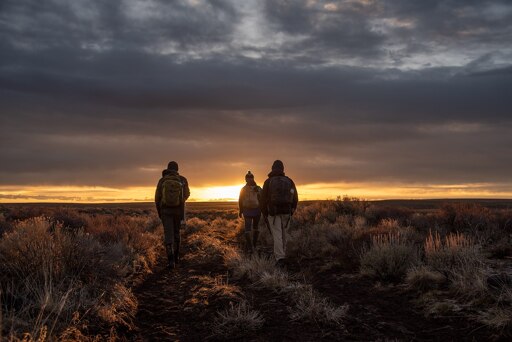
Conservation has long been framed as a moral calling. For many who enter the field, it is precisely that sense of purpose that sustains difficult work in remote places, under uncertain funding, and against problems that rarely yield quick victories. Yet the same intensity of commitment now appears to be exacting a psychological toll, Mongabay’s Jeremy Hance reports. Reports of burnout, depression and suicide among conservation professionals have prompted some leaders to describe a crisis within the sector itself. Part of the strain reflects the condition of the natural world. Wildlife populations have fallen sharply in recent decades, ecosystems are being degraded, and climate risks continue to mount. Those tasked with slowing these losses confront them daily, often with limited tools and little assurance that their efforts will succeed. The result is a form of grief that is both chronic and socially unrecognized. Unlike bereavement for a person, sorrow for species or landscapes rarely elicits public sympathy, yet it can be just as consuming. Structural features of the profession compound the problem. Conservation relies heavily on short-term grants, modest salaries, and a workforce motivated by passion rather than financial reward. Early-career scientists and field staff may endure unstable employment, long separations from family, and exposure to danger, particularly in regions affected by conflict or illegal resource extraction. Women face additional pressures related to pay, caregiving and career progression. Men, meanwhile, may be less likely to acknowledge distress in cultures where stoicism is expected. The paradox is that a field devoted…This article was originally published on Mongabay
From Conservation news via This RSS Feed.