

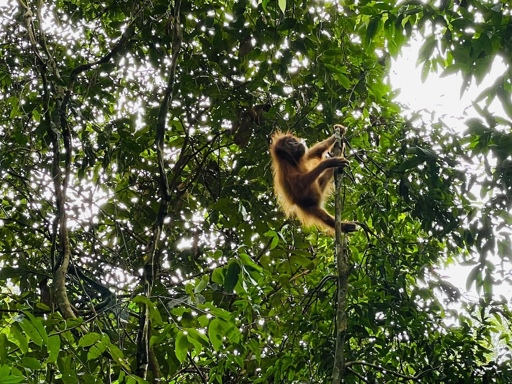
For months, four infant orangutans lived in limbo in Thailand — not as pets, but as evidence. Confiscated in two separate trafficking cases, they were cared for at the Khao Pratubchang Wildlife Rescue Centre while investigators built their files. On Dec. 23, 2025, the babies finally came home: three Sumatran orangutans and one critically endangered Tapanuli orangutan, handed over by Thai authorities and repatriated for rehabilitation in North Sumatra. The images were moving — and they mattered. But a hard truth sits behind every heartwarming handover: if the pipeline stays open, the next baby will already be on the move. Just five weeks later, on Jan. 30, 2026, Indonesian officers in East Aceh stopped a truck carrying 53 packages filled with hundreds of protected wildlife specimens and parts, allegedly bound for Thailand. Seen together, these episodes read less like isolated crimes and more like a repeating pattern: seizure, repatriation, new shipment. Wildlife trafficking is an adaptive, transnational business. Repatriation is essential and humane, but it is not a strategy. Prevention is the strategy, and prevention starts by making trafficking unprofitable. Juvenile orangutans confiscated from a trafficker in Indonesia’s Aceh province in 2015. Photo by Junaidi Hanafiah for Mongabay. Transnational supply pipeline, not “petty crime” Orangutan trafficking and the broader trade in protected wildlife function like a supply chain: capture at the source → local collectors → transporters → cross-border smugglers → end-market buyers. In this chain, couriers are replaceable; organizers and financiers are not. Infant orangutans are especially lucrative because…This article was originally published on Mongabay
From Conservation news via This RSS Feed.