

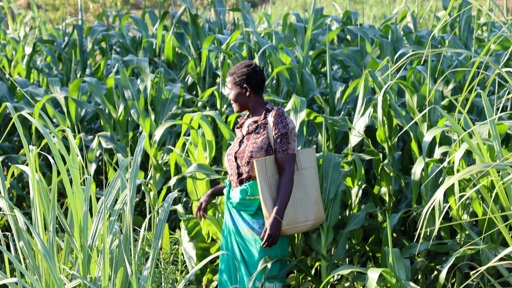
MZIMBA, Malawi – For years, life was defined by hardship for Grena Banda and her husband, Daniel Mwafulirwa, in Malawi’s northern district of Rumphi. Their small farm was their only reliable source of livelihood, yet it rarely produced enough. Climate change brought erratic rainfall, sometimes drought and sometimes heavy downpours that washed away fragile topsoil. At the same time, the cost of fertilizer kept rising beyond their reach. Each farming season began with hope but ended with anxiety, as yields rarely matched expectations. Feeding their children, paying school fees and meeting basic household needs felt like an ongoing uphill battle. “Year in, year out we were facing food shortages. We depended on fertilizer, but we could not afford enough of it,” Banda tells Mongabay. “Sometimes, we harvested so little that we did not know how we would manage until the next season.” As food insecurity deepened, Banda’s husband resorted to risky survival strategies. When crops failed and hunger loomed, he began entering the nearby Vwaza Game Reserve to hunt illegally. It was a decision driven by desperation. Mwafulirwa knew the risks — patrols, arrests and fines — but he also knew his children needed food. “I had no choice at the time. When you see your children hungry, you do things you never imagined you would do. Look at these scars,” he says, rolling up his sleeves and showing his wrists. “They are from handcuffs as I was arrested multiple times.” But today, Mwafulirwa no longer takes those risks, as…This article was originally published on Mongabay
From Conservation news via This RSS Feed.