

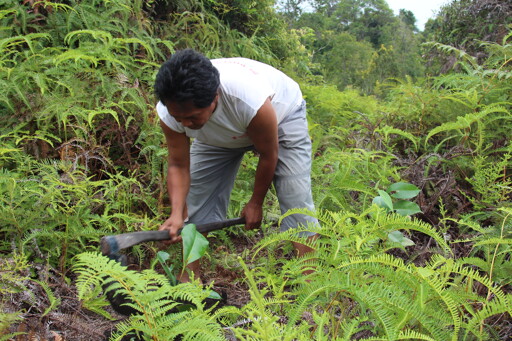
Establishing forests can capture carbon and boost biodiversity — but some biomes are a better bet than others, a recent study finds. Forest restoration has emerged as a top nature-based solution to mitigate climate change, with numerous high-profile initiatives launched over the past few decades. And while there’s enthusiasm for replanting degraded forest areas, or reforestation, there’s also a growing unease that establishing forests in ecosystems that historically had little of them, or afforestation, could harm biodiversity. The question is, how can we pinpoint the best places for afforestation and reforestation, or AR, on a global scale? A number of studies have tackled this challenge. For example, a 2025 Nature Communications study found that 195 million hectares (482 million acres) of land is suitable for reforestation when climate goals, nature, and people were taken into account. Though this represents an area the size of Mexico, it’s far smaller than previous estimates. Now, a recent study in Environmental Research Letters describes a different way of gauging the potential of AR across 13 biomes. The study finds that overall, many areas within the tropical and subtropical moist broadleaf forest biome offer the highest compatibility with biodiversity conservation and carbon sequestration goals. However, there’s significant variation between areas, even within the same biome. In contrast, the study finds that all grasslands, shrublands and savanna biomes are poorly suited to AR. (a) Bivariate map of the spatial overlap between the habitat suitability index and carbon sequestration potential. Dark red areas have a high habitat…This article was originally published on Mongabay
From Conservation news via This RSS Feed.