

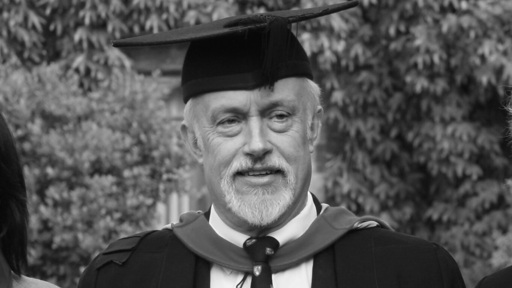
Field primatology expanded rapidly in the late 20th century as biologists began to study apes and monkeys where they lived rather than only in museums or laboratories. Southeast Asia’s rainforests became an important setting for that shift. Among the researchers who helped shape the discipline there was David Chivers, a British primatologist whose work on gibbons and other forest apes combined long stretches of field observation with a commitment to conservation. He died on March 5th, aged 81. Dr Chivers arrived at the University of Cambridge in 1963 and, in practice, remained there for the rest of his career. After studying medical sciences and physical anthropology, he turned away from clinical veterinary training to pursue research on primates. His doctoral work, completed in 1972, was based on field studies of siamangs in Peninsular Malaysia. At the time such projects demanded patience: weeks spent tracking animals through dense forest and learning their habits by steady observation. That work produced The Siamang in Malaya, a monograph published in 1974 that became a reference point for later studies of primate ecology. Chivers was interested both in behavior and in how primates fit into forest systems. Feeding patterns, fruit availability, and the role of animals in dispersing seeds all became part of the picture. David Chivers in 1970. His later research extended across Southeast Asia and beyond. In the mid-1980s he helped establish Project Barito Ulu in Central Kalimantan, Indonesia, examining how fruit-eating wildlife contributed to forest regeneration. The project brought together international…This article was originally published on Mongabay
From Conservation news via This RSS Feed.