

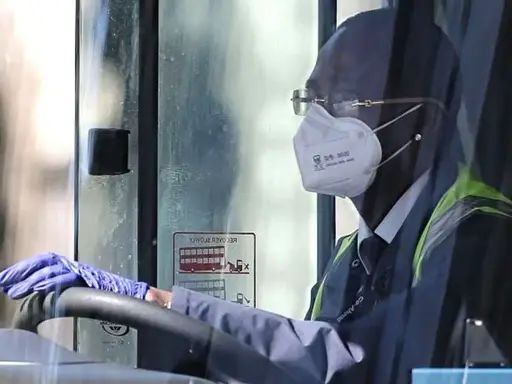

The UK Covid Inquiry came to an end on 5 March 2026. The Trades Union Congress (TUC) was a core participant in the Inquiry. It’s warning that this and future governments must learn lessons from the pandemic. They must ensure key workers and the general population have better protection in the future.
The union body paid tribute to all those who lost their lives during the pandemic. And it expressed its gratitude to key workers that kept the country going at a time of national crisis.
The TUC has set out five key recommendations to prevent the mistakes of the Covid pandemic and protect workers.
- Stronger union voice
The Inquiry showed that involving unions in decision making, from the NHS to the design and implementation of furlough, saved lives and jobs.
The TUC is therefore calling for a more dynamic approach to social partnership. It wants to bring government, unions and employers together to design, deliver and manage responses to future pandemics.
In particular, unions’ input will be essential when designing measures to ensure better workplace safety measures and protections for workers across all sectors.
The lack of a union voice in the early days of the response to the Covid-19 pandemic meant that decisions didn’t take into account workers’ needs. This often resulted in workers having to rely on ill-fitting PPE, or work in unsafe environments.
- Stronger enforcement
The Health and Safety Executive (HSE) is the body responsible for workplace safety. In 2021/22, its funding was 43% lower than in 2009/10 in real terms. This had caused a 35% staff number cut in the ten years leading to the Covid-19 pandemic.
This meant that there was limited inspection or enforcement – despite thousands of reported outbreaks, with many workers losing their lives. Just under 5,000 of the new ‘spot check’ visits were undertaken by contractors working to the HSE in the first eight months of the pandemic. There were only 78 enforcement notices and zero prosecutions.
The union body says that proper investment needs to go back into the HSE. This would bolster the inspection and enforcement of health and safety regulations and protect workers.
- Stronger sick pay
The TUC says reform of statutory sick pay will be essential in preventing the spread of future pandemics.
Sick pay reforms coming into force from 6 April as part of the Employment Rights Act will mean that around 8 million workers will benefit from stronger sick pay provisions.
The experience of millions of low paid workers during the pandemic – with many having to work while infectious – demonstrates why these new rights were overdue, and why no government should now undo that vital safety net, the TUC says.
- Stronger public services
The TUC says the pandemic revealed the dangers of under-resourcing our public services after years of significant Conservative cuts.
A decade of austerity leading up to the pandemic led the Inquiry to conclude that:
public services, particularly health and social care, were running close to, if not beyond, capacity in normal times.
The union body says that:
lessons must be learned to save lives in future.
The TUC is urging the government to continue to invest in public services and its workforce to repair and rebuild after the damage done by 14 years of Conservative government.
It says investment in the workforce is the only way to improve service quality, increase productivity and boost public sector resilience.
- Stronger Employment Rights
Evidence the TUC gave to the inquiry illustrated how workers in insecure employment were less likely to report safety breaches. This included agency workers, those on zero hours contracts and bogus self-employment. They were more likely to work in low paid and unsafe workplaces and move between multiple jobs and workplaces. And they were less likely to access sick pay.
Insecure workers were nearly 10 times more likely to say they received no sick pay compared to secure workers.
Black and ethnic minority workers’ over-representation in these types of jobs was one reason for the disproportionate impact of the pandemic in those communities.
The experience of workers in insecure and low paid employment shows why there was such a need for the Employment Rights Act, says the TUC.
TUC general secretary Paul Nowak said:
We owe it to those who lost their lives – and to those workers who put their lives at risk – to make sure we are prepared for future pandemics.
That means giving trade unions a seat at the table in pandemic planning – and adopting a social partnership approach by bringing unions, employers and government together to keep workers safe.
And it means sustained investment in our public services to make sure they are resilient enough to cope with another pandemic.
The Conservatives took a sledgehammer to our cherished public services, leaving the NHS on its knees and struggling to cope when Covid-19 hit.
The Labour government has rightly increased health and education funding and gave many public service workers their first proper pay rise in years. But this cannot be a one off.
Covid showed us strong public services – and a properly supported workforce – are vital for the nation’s health and resilience.
On tackling the scourge of insecure work and the Employment Rights Act, Nowak added:
The government also needs to address the structural inequalities and discrimination embedded in our labour market that put so many lives at risk.
That means delivering the Employment Rights Act in full, including new laws to ban exploitative zero hours contracts and give workers a right to a contract which reflects their regular hours.
From next month, workers will be able to get sick pay from day one. This is a game changer for millions of people up and down the country, and a positive first step towards building our resilience.
Featured image via the Canary
By The Canary
From Canary via This RSS Feed.