

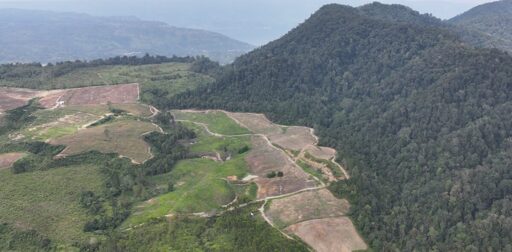
MEDAN, Indonesia — Sahala Pasaribu, 35, walks on customary land his family has not been able to manage for more than three decades since PT Toba Pulp Lestari (TPL), a pulpwood company, took control of it. Now, after the government decided to revoke the company’s permit in January, he hopes it’s possible. “We feel free to manage our own land without the intimidation we often faced,” said Sahala, head of Natinggir village in Indonesia’s North Sumatra province. He succeeded his father, Tomu Pasaribu, who died in 2024. He has already begun replanting the land with secondary crops, such as corn and vegetables. His family also plans to restore a customary forest, which they say is sacred. But whether he, and others from dozens of Indigenous communities whose lands were held by the company, can legally reclaim their customary lands remains unclear. At the start of 2026, the government decided to revoke PT TPL’s forest utilization permit, along with those of 27 other companies, over violating environmental and forestry regulations it said contributed to deadly floods and landslides in November 2025. But according to officials, lands under these permits will be managed by state-owned companies under the sovereign investment agency Danantara. Some companies have also indicated they will appeal the revocations of their permits. Pressure from communities on the government for clarity about whether they can take back lands has so far gone unanswered. Mongabay reached out to Danantara and the ministries of environment and forestry but did not receive a…This article was originally published on Mongabay
From Conservation news via This RSS Feed.