

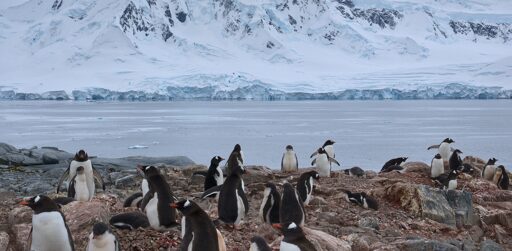
The Marine Stewardship Council (MSC) recently released a draft report for its fourth recertification of krill fishing in Antarctica by Aker QRILL Company. The certification would allow Aker to put an MSC label on its products that tells consumers the krill came from a sustainable well-managed fishery. However, the Antarctic and Southern Ocean Coalition (ASOC), a U.S.-based advocacy group, issued a formal objection to that determination, citing concerns about overfishing of a critical resource in a sensitive ecosystem. “Everything that lives in Antarctica either eats krill or eats something that eats krill,” Holly Parker Curry, ASOC’s marine protected areas campaign director, told Mongabay in a video call. It’s the base of the food chain but krill biomass has . That’s roughly when people started harvesting the tiny crustaceans for aquaculture fish food and dietary supplements for people. Climate change and shrunken sea ice are also contributing the dramatic drop in krill populations; krill depend on sea ice for part of their life cycle. In its said, “Antarctic krill is one of the best managed species in the world … [and] the total catch is limited to below 1% of the total biomass.” Curry said that assessment is strictly accurate, but the devil is in the details. “It’s not just about how much is caught, that’s important too, but it’s really where it’s caught,” Curry said. “A lot of the fishing for krill in the Southern Ocean, it all happens essentially in the Antarctic Peninsula, and in the past two years, it’s become increasingly…This article was originally published on Mongabay
From Conservation news via This RSS Feed.