

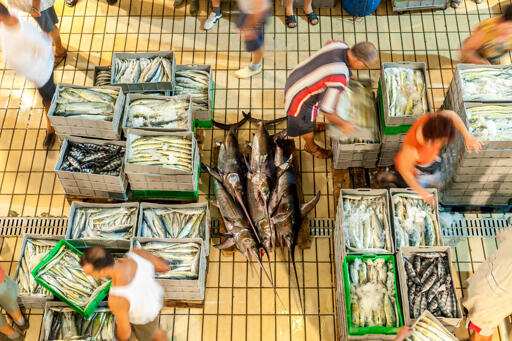
The global fisheries and aquaculture sector produces more than 150 million metric tons of food per year, valued at nearly $200 billion. Yet it’s plagued with fraud, according to a new report. The report, published Feb. 10 by the Food and Agriculture Organization (FAO) and the International Atomic Energy Agency, both United Nations bodies, says that up to roughly 20% of aquatic products are intentionally mislabeled as the wrong species or otherwise fraudulent, posing environmental and health risks. “A global 20% seafood fraud rate isn’t just a statistic; it’s a dire warning,” Max Valentine, a campaign director at U.S.-based marine conservation NGO Oceana, said in a statement. (An Oceana policy adviser to the NGO’s Europe branch contributed to the FAO report, but Valentine wasn’t involved with it.) “Consumers are falling victim to a bait and switch, and the fishers who play by the rules are paying the price. This is a global problem that every nation must work together to combat at its source.” The report, presented at the World Seafood Congress held Feb. 9-11 in Chennai, India, calls for governments and industry stakeholders to establish better traceability systems, use advanced detection methods, and educate the public. “Tools of great relevance are national legislation and national and international standards, which are vital in defining acceptable products and practices,” the report says. A tuna on board a fishing vessel in Indian waters in 2012. The vessel was operating outside of Indian regulations on registration and ownership, according to the international NGO…This article was originally published on Mongabay
From Conservation news via This RSS Feed.