

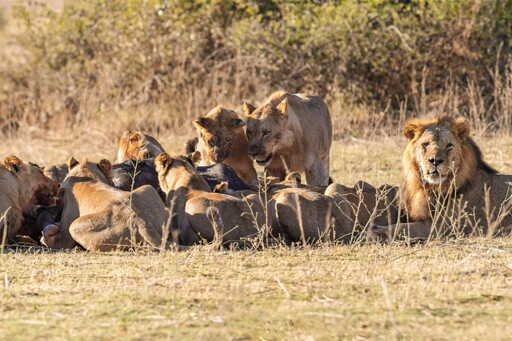
A CSI-style investigation in Zimbabwe helped to successfully prosecute two people for killing a lion and trafficking its teeth, flesh and other body parts in February. Forensic specialists analyzed DNA collected from parts seized by authorities and matched it with a radio-collared lion that was killed two years ago. This conviction was historic: It’s the world’s first case to use a lion’s genetic material and trace it back to an individual to pin down wildlife criminals. The two defendants were sentenced to two years in prison for their crimes. The conviction is tied to a 2024 case in which poachers snared and killed a male lion near Hwange National Park, close to the world-famous Victoria Falls. Researchers knew this particular lion, as they’d tracked its movements as part of a study. When they captured and anesthetized the cat to fit it with a radio collar some years ago, biologists took blood samples and logged its genetic and health information into their database. Investigators used that DNA data to trace the origins of seized lion parts, which included three bags of meat, 16 claws and four teeth that were to be sold on the black market. Parts from captive-bred lions can be traded internationally and in Zimbabwe with the appropriate paperwork, but the sellers didn’t have permits, and proving these seized parts came from a wild lion and not a captive-bred one was key to this case. That would mean poaching, which is illegal. African lions are the most-traded wildcats in…This article was originally published on Mongabay
From Conservation news via This RSS Feed.