

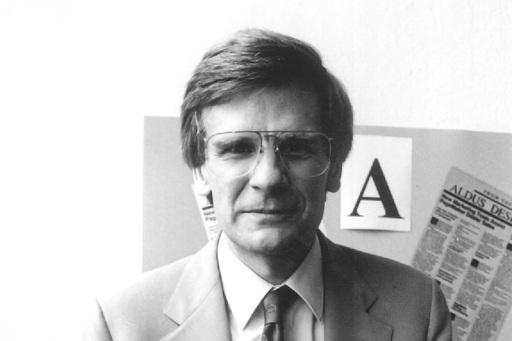
Paul Brainerd did two things that rarely sit comfortably together. He helped make publishing cheaper and easier, then spent much of what he earned trying to protect the landscapes that were being consumed by growth. He died on February 15th 2026, aged 78, at his home on Bainbridge Island, Washington. In the 1980s, when most people still thought of computers as glorified typewriters, he helped turn them into printing presses. In the 1990s and after, as the Pacific Northwest’s wealth compounded, he tried to steer some of it into civic capacity: organizations that could win fights, not merely stage them. His money came from software. His method was closer to editing. Brainerd was born in Medford, Oregon, in 1947. He studied at the University of Oregon and later earned a master’s degree in journalism at the University of Minnesota. He worked in newspapers, but not in the romantic way. He was drawn to production, workflow, the awkward interface between an idea and a printed page. That interest took him to Atex, a company that built newsroom systems. When Kodak bought Atex and closed a research center in the early 1980s, Brainerd and several engineers found themselves unemployed and restless. In 1984 they founded Aldus in Seattle. Within a year they shipped PageMaker, software that, paired with Apple’s Macintosh and Adobe’s PostScript, let ordinary users design pages that printed as they appeared on screen. Brainerd coined the phrase “desktop publishing,” a neat bit of compression that made a technical shift feel…This article was originally published on Mongabay
From Conservation news via This RSS Feed.