

The group called it a “terrible” policy.
CAGAYAN DE ORO — A labor center for agricultural workers thumbed down the government’s plan to expand oil palm plantations in Mindanao, saying this will not benefit farmers and farmworkers.
Ariel Casilao, chairperson of the Unyon ng mga Manggagawa sa Agrikultura (UMA), said that the expansion would lead to corporate exploitation of oil palm leaseholders and growers and to land grabbing from peasants and Indigenous peoples.
The group’s opposition came following the Department of Agriculture’s (DA) pronouncement that it will focus on improving oil palm plantations. The DA said that it would address importation and raise farm incomes.
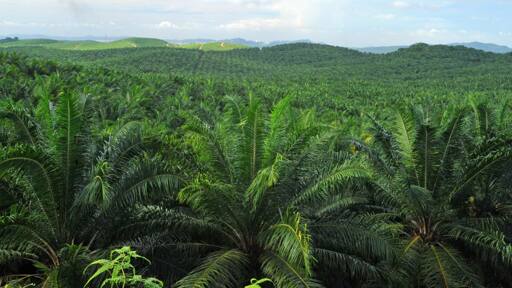
Oil palm plantations reportedly cover 100,000 hectares in the country, mostly from Mindanao.
The Philippine Coconut Authority is planning to establish oil palm nurseries in selected areas in the Caraga region. It is also considering the University of Southern Mindanao in Kabacan, North Cotabato as its base for a state-backed nursery.
With this plan, UMA recalled the dire situation of farmworkers of Filipinas Palm Oil Plantation Incorporated (FPPI)—one of the biggest plantations of oil palm in the country—in Agusan del Sur when it conducted research in 2019.
Read:FPPI workers demand compensation, justice as 5th worker dies at work
Aside from low salaries, the group concluded that only one worker was allegedly assigned to every five hectares of land managed by FPPI. Workers were also allegedly not provided with personal protective equipment against highly toxic chemicals.
UMA also lamented the forced disaffiliation of the FPPI Workers Union from the National Federation of Labor Unions-Kilusang Mayo Uno (NAFLU-KMU) in the same year due to the pressure allegedly caused by the Philippine Army, stressing it is a violation of workers’ right to organize.
In 2011, Indigenous peoples in Opol, Misamis Oriental, were harassed and arrested after pushing back against an oil palm plantation by A. Brown Company Incorporated within their land. One of the Lumad leaders was killed the following year.
Read:Farmers, indigenous peoples thumb down expansion of oil palm plantations
UMA expressed dismay that many oil palm workers in Palawan and Negros Occidental to this day are allegedly not entitled to government-mandated social welfare benefits.
For oil palm leaseholders and growers in Mindanao, UMA said that FPPI allegedly leases their land for only P1,865 (US$32.03) per hectare every year and gives a P500 (US$8.58) incentive every five years. The group called it a “terrible” policy.
Rice and corn farmers, on the other hand, were also affected by the planned oil palm plantation project spanning over 6,000 hectares of Hacienda Asia Plantations Incorporated (HAPI) in barangays Gatuslao and Agboy in Candoni, Negros Occidental.
This, however, reportedly remains under a cease-and-desist order. According to the Negrosanon Initiative for Climate and the Environment, HAPI has yet to secure an Environmental Compliance Certificate (ECC) and the Free, Prior, and Informed Consent (FPIC) from concerned Indigenous communities.
“We need food security and sustainability, not palm oil,” Fr. Melvin Fajardo of the environment advocacy group Hakson told Bulatlat during an international learning and solidarity mission held in Barangay Gatuslao on October 14, 2025.
The agricultural workers’ group said that oil palm expansion only favors big corporations. The national government, it said, should direct its focus on ensuring the rights and welfare of farmers and agricultural workers. (AMU, DAA)
The post Agri workers reject oil palm plantation expansion plan in Mindanao appeared first on Bulatlat.
From Bulatlat via This RSS Feed.