

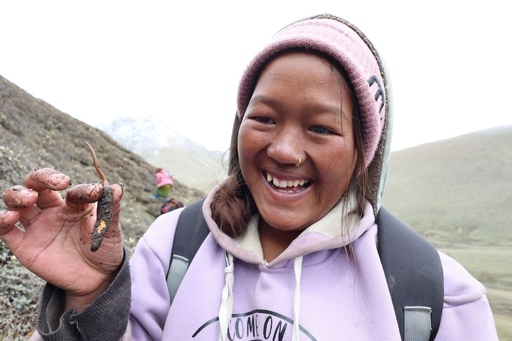
Every day, millions of people harvest wild plants for their health, nutrition and livelihoods, yet many of the species that sustain them are quietly slipping toward extinction. As World Wildlife Day approaches this March 3, medicinal and aromatic plants take center stage: a group of wild species essential to both human well-being and ecological balance, they are too often overlooked in global conservation conversations. These plants grow in the wild and are harvested for their healing and well-being properties. They are widely used in modern and traditional medicines, cosmetic and food products, and the World Health Organization notes their particular importance in developing countries, where up to 95% of people rely on traditional medicine for primary health care. Furthermore, according to the Intergovernmental Science–Policy Platform on Biodiversity and Ecosystem Services (IPBES), “Wild plants, algae and fungi provide food, nutritional diversity and income for an estimated one in five people around the world, in particular women, children, landless farmers and others in vulnerable situations.” Many familiar species — such as American ginseng, licorice, argan, candelilla and frankincense — are part of our daily lives, found in kitchen cupboards, medicine cabinets and bathrooms, although mostly hidden from view. But global conservation assessments have only been carried out for a fraction of the many thousands of medicinal and aromatic plants in use. Of those that have been assessed, many are threatened with extinction due to overharvesting, and it is likely this is only the tip of the iceberg. View a report about sustainable harvesting of star anise in…This article was originally published on Mongabay
From Conservation news via This RSS Feed.