

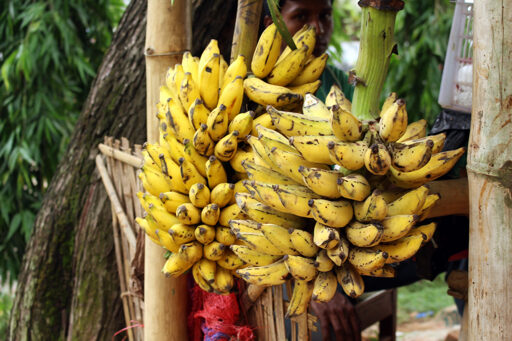
The hill people of Bangladesh have been moving to profitable cash crops for the last couple of decades, dropping traditional agricultural practices. However, the economic gain soon turned into ecological damages, including severe soil erosion and water crisis. The Chittagong Hill Tracts (CHT) region in Bangladesh, comprising three districts — Rangamati, Khagrachhari and Bandarbans — has a unique hill forest landscape and rich biodiversity and is home to several Indigenous communities. The agricultural people of CHT have long been accustomed to the shifting, or slash-and-burn, cultivation process, locally known as jhum. Jhum cultivation is a process where farmers use a piece of land for cropping for one to three years, then leave it fallow for five to 20 years. They later clear rain-fed trees and bushes using the slash-and-burn method to make it arable again. A 2016 study mentioned that, lately, people of the region are farming pineapple, banana, papaya, turmeric and ginger, which are usually cultivated on the same land every year. “Cultivating cash crops has become very common in the region now, and these crops do not need the land to be kept fallow. All the changes come through different initiatives, including government and non-government projects, and also by the social influencers and corporates,” said Ratan Kumar Dey, former project manager at Anando, a Bangladeshi nonprofit that empowers rural populations. Dey worked in CHT for 18 years till 2025. Smoke and fire rise over land used for jhum cultivation on the hills of Bandarban, CHT. Image by Ariful…This article was originally published on Mongabay
From Conservation news via This RSS Feed.