

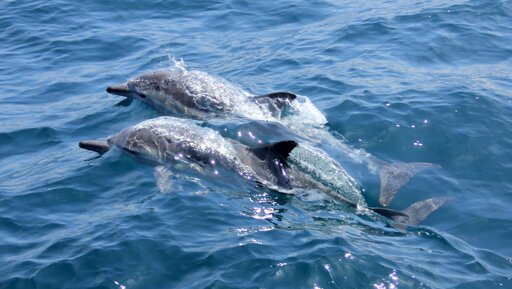
Liquid crystal monomers (LCMs) are critical components of laptop, television, and smartphone screens. Given their ubiquity in the environment, these compounds are considered persistent pollutants, posing threats to marine life that scientists want to understand. Research published in Environmental Science & Technology provides initial evidence that LCMs from household electronics or electronic waste (e-waste) can accumulate in dolphin and porpoise tissues, including blubber, muscle, and brain, demonstrating their ability to cross the blood-brain barrier.
From Earth News - Earth Science News, Earth Science, Climate Change via This RSS Feed.
You must log in or # to comment.