

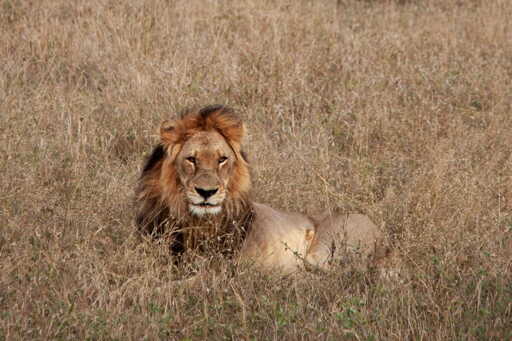
The lions that roamed the plains of northern Botswana were dying. One by one, the big cats were succumbing to poisoned bait planted by exasperated villagers. The lions had been chipping away at their livelihood, feasting on the cattle that they left to graze along the Okavango Delta. By the end of 2013, around 30 lions — more than half of the northern Okavango population — had been killed in just one year. More than a decade later, the situation is radically different. The lion population has rebounded. Cub survival rate is up. And cattle losses are dramatically down. It’s the result of years of hard work: restoring traditional herding practices, collaring and tracking lions, and, most recently, establishing a market for ‘wildlife-friendly beef.’ This serves as a model, wildlife advocates say, for other parts of southern Africa where modern grazing practices have collided with big cats’ appetites. “It can be adapted to just about anywhere,” said Andrew Stein, the founder of Communities Living Sustainably Among Wildlife (CLAWS) Conservancy, which is based in Botswana. In the last 25 years, more than half the lions have vanished from the plains of Africa, largely due to conflicts with communities. As human populations have expanded, the animal’s range has shrunk, leaving remnant isolated groups. Today, there are fewer than 25,000 lions left across the continent. But in southern Africa, one large continuous population still roams the Kavango-Zambezi Transfrontier Conservation Area (KAZA TFCA), the world’s largest transnational land-based protected area, which runs across Angola,…This article was originally published on Mongabay
From Conservation news via This RSS Feed.