

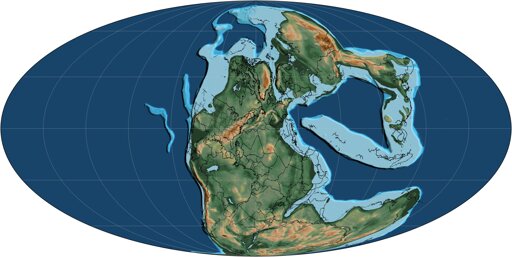
When the supercontinent Pangea began to fragment around 200 million years ago during the Early Jurassic, it reshaped the face of the planet. Vast new oceans opened, continents drifted apart and the familiar geography of today slowly emerged. For decades, many geoscientists have suggested that this dramatic breakup was fueled by an accumulation of heat beneath the supercontinent, a kind of planetary “thermal insulation” effect that caused the underlying mantle (the thick layer of rock between Earth’s crust and its core) to grow unusually hot.
From Earth News - Earth Science News, Earth Science, Climate Change via This RSS Feed.
You must log in or # to comment.