

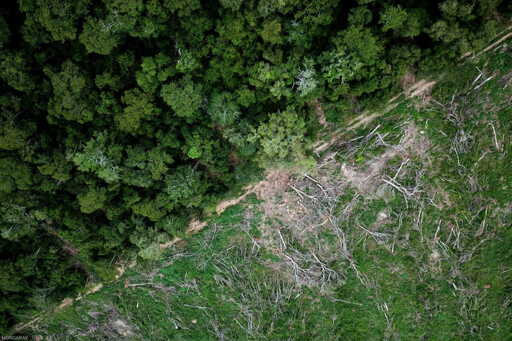
The production of food continues to eat its way into the world’s tropical forests. Agricultural expansion drives nearly 90% of global deforestation, according to the Food and Agriculture Organization of the United Nations (FAO). The sector therefore represents a critical climate challenge: forest loss and degradation account for about 11% of global greenhouse gas emissions, by estimates from the Intergovernmental Panel on Climate Change. One primary strategy to slow deforestation over the past two decades involves food and agri-commodity companies pledging “zero deforestation supply chains”, under pressure from consumers and environmental groups. These commitments have helped reduce deforestation from land uses like soybean production in the Brazilian Amazon through initiatives such as the now-suspended “Brazilian Soy Moratorium”. Tropical deforestation globally has remained persistently high, however. We argue here that the long-term impact of “zero deforestation supply chains” will be limited by the costs of implementing and operating these pledges; companies striving to do their part to reduce deforestation are less price-competitive than those that do not. Adjustments are urgently needed to translate corporate engagement into more collaborative and effective approaches to deforestation. With the goal of mitigating deforestation, the European Union has adopted a “zero deforestation supply chain” approach as the basis of its Deforestation Regulation (EUDR). When and if it is eventually implemented, the EUDR is set to exclude from the EU market those agri-commodities produced on land deforested after 2020. Implementation, originally scheduled for January 2025, has been postponed twice, however, and its future is unclear. EU countries…This article was originally published on Mongabay
From Conservation news via This RSS Feed.