

Argentina’s unions and social organizations faced violent police repression in Buenos Aires, during a mass protest against the Government’s proposed labor reform, leaving dozens injured and several detained.
Argentinean Chamber of Deputies on Thursday, February 19, commenced the debate on a highly controversial labor reform bill, a cornerstone of Javier Milei’s far-right government’s agenda.
The legislative session proceeded with an adjusted quorum of 130 legislators, as the ruling party sought to approve a text that had already cleared the Senate. However, due to last-minute modifications, the bill will necessitate a return to the Upper House for final approval, prolonging the legislative battle.
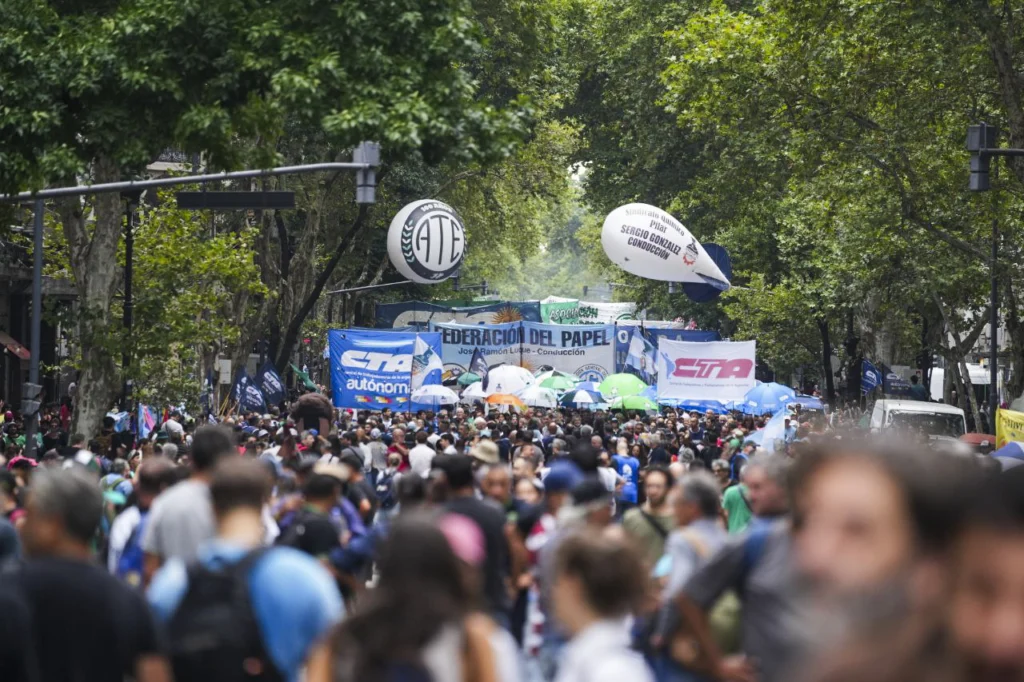
The session unfolded amidst a climate of intense social tension. A general strike, called by the General Confederation of Labour (CGT, in Spanish), brought the country’s main urban centers to a standstill, including the metropolitan area of Buenos Aires.
This widespread industrial action served as a potent rejection of what labor organizations consider a historical regression in the rights of the working class, signaling deep societal opposition to the proposed changes.
The forceful measure impacted essential services including waste collection, customs, health controls, and operations at critical public bodies, where only minimal essential staff remained on duty.
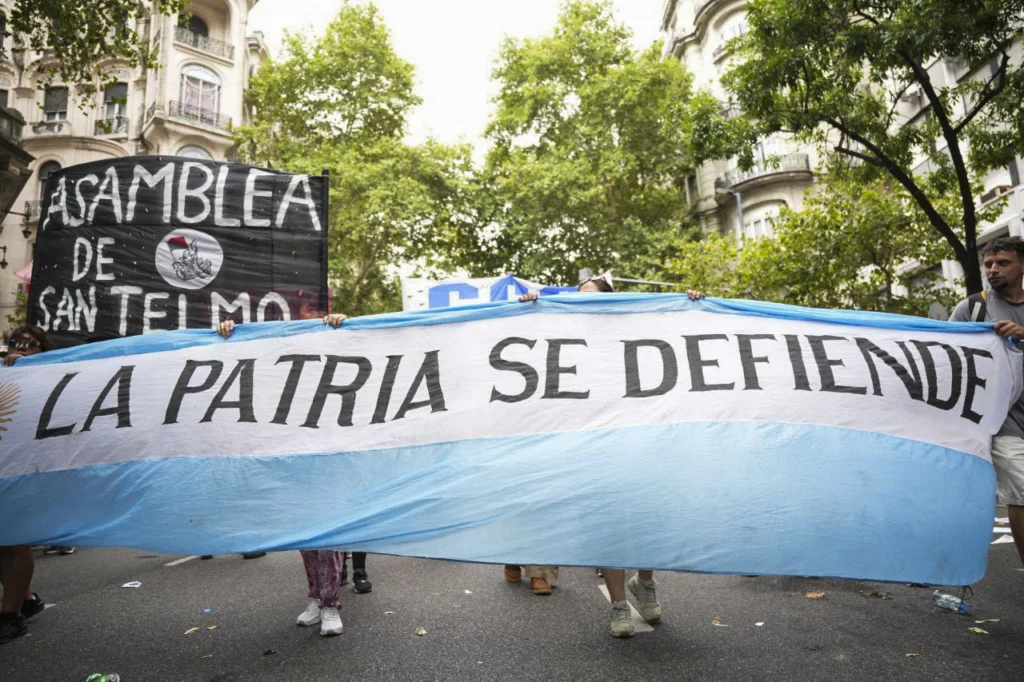
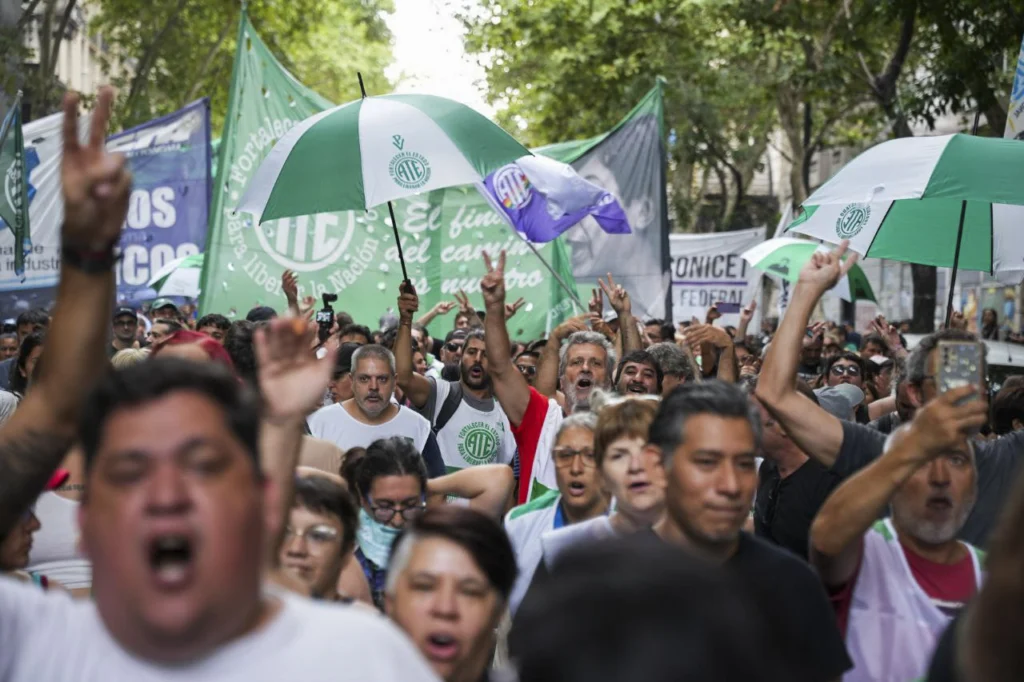
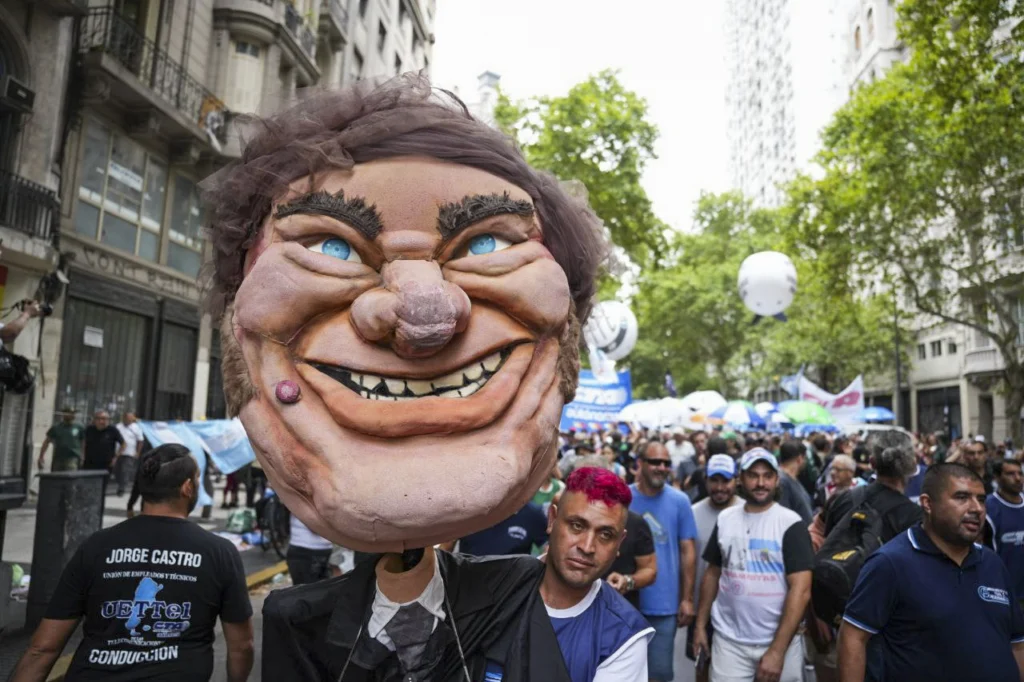
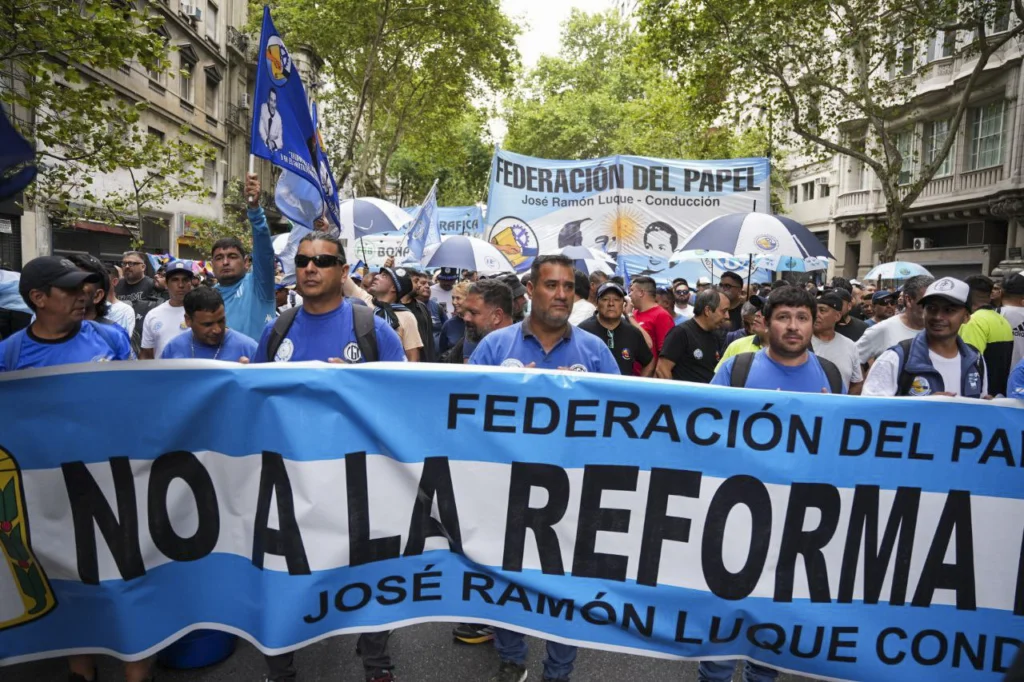
The Congress Square was considerably filled, approximately halfway to capacity, by two in the afternoon, coinciding with the officialist bloc securing a quorum inside the legislative building. Photos: teleSUR.
While legislators convened under immense social pressure, various social movements and left-wing parties mobilized towards the National Congress in Buenos Aires, in middle of a formidable security operation deployed by the Executive Branch to suppress popular expression.
In various cities in the interior of the country, like Rosario, Mendoza, and Jujuy, the day was marked by road closures and large concentrations in main squares.
This national strike marks the fourth such action faced by the Milei administration since its inauguration, consolidating a sustained plan of struggle that denounces the erosion of conquered rights in the face of neoliberal impositions.
Violent Repression
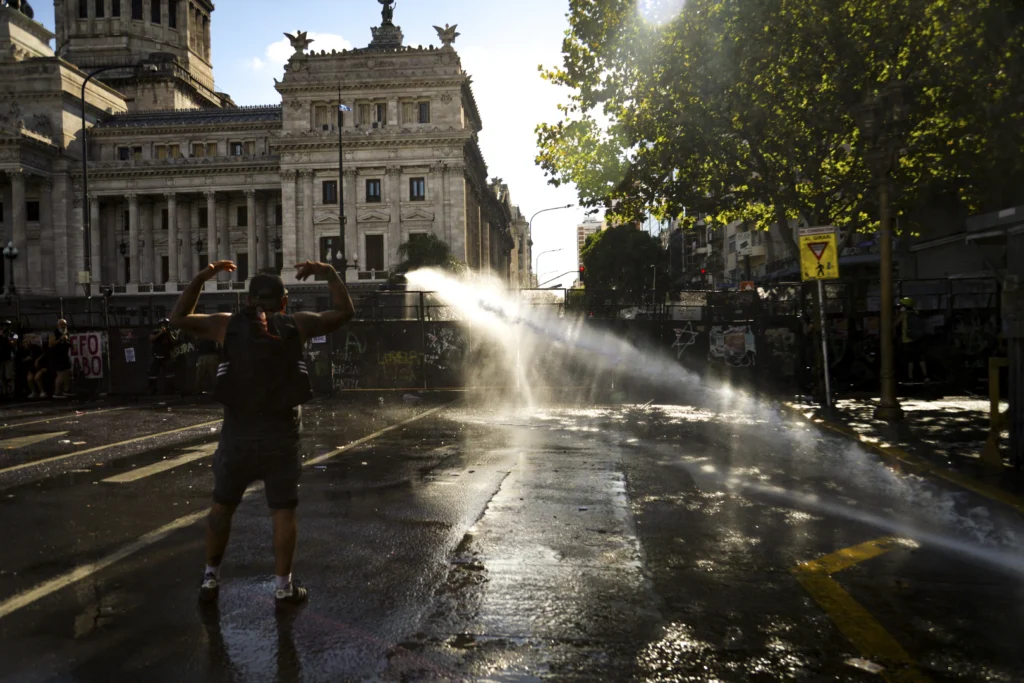
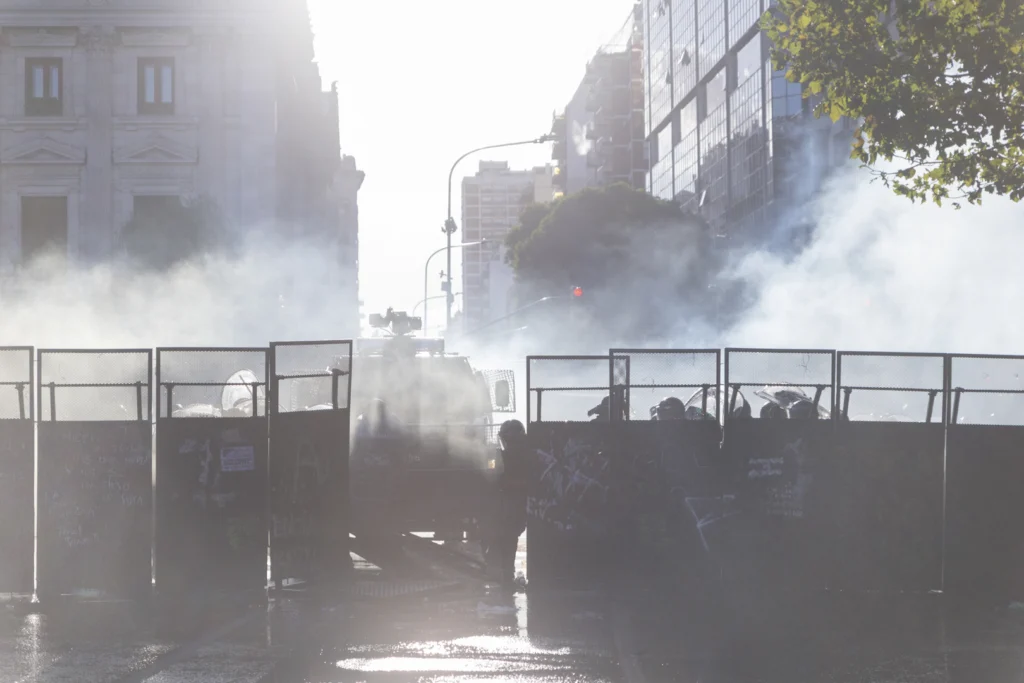
Outside the National Congress building, a massive deployment of federal forces implemented the anti-protest protocol to contain demonstrators converging on the legislative site. This heavy security presence underscored the Government’s determination to control public expression amidst the widespread discontent.
Meanwhile, President Milei was notably absent from the domestic political fray, participating in a “Peace Board” convened by Donald Trump in Washington, emphasizing his international engagements despite the escalating internal crisis.
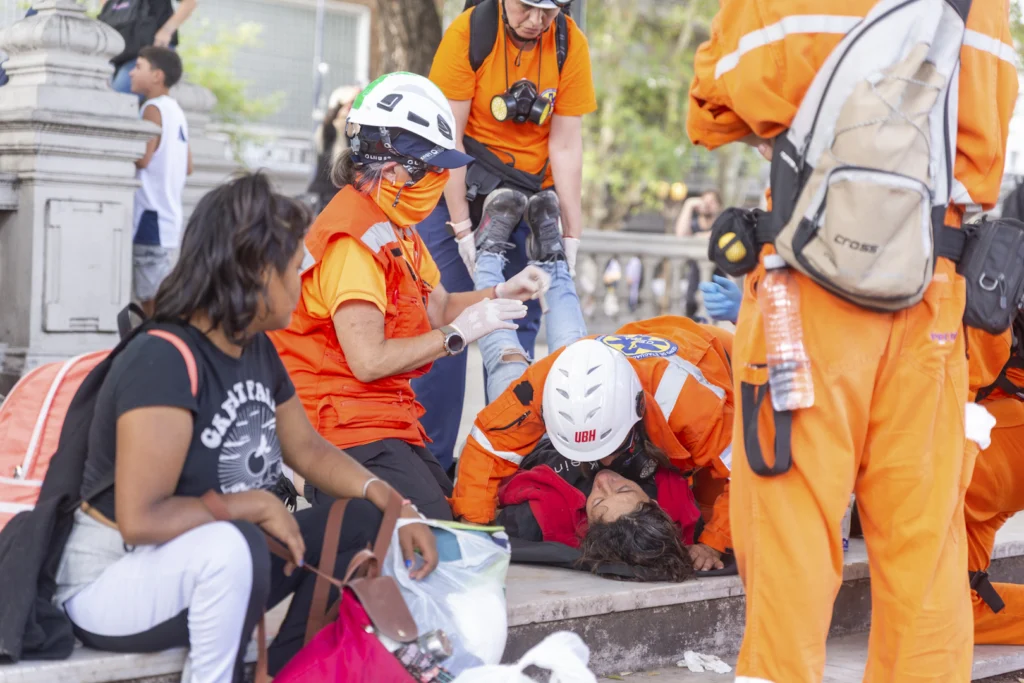
The police repression followed explicit threats from Security Minister Alejandra Monteoliva, escalating tensions amid a national strike against the controversial legislation.
Government of Argentina Wants Social Leader Milagro Sala to Serve Sentence in Prison
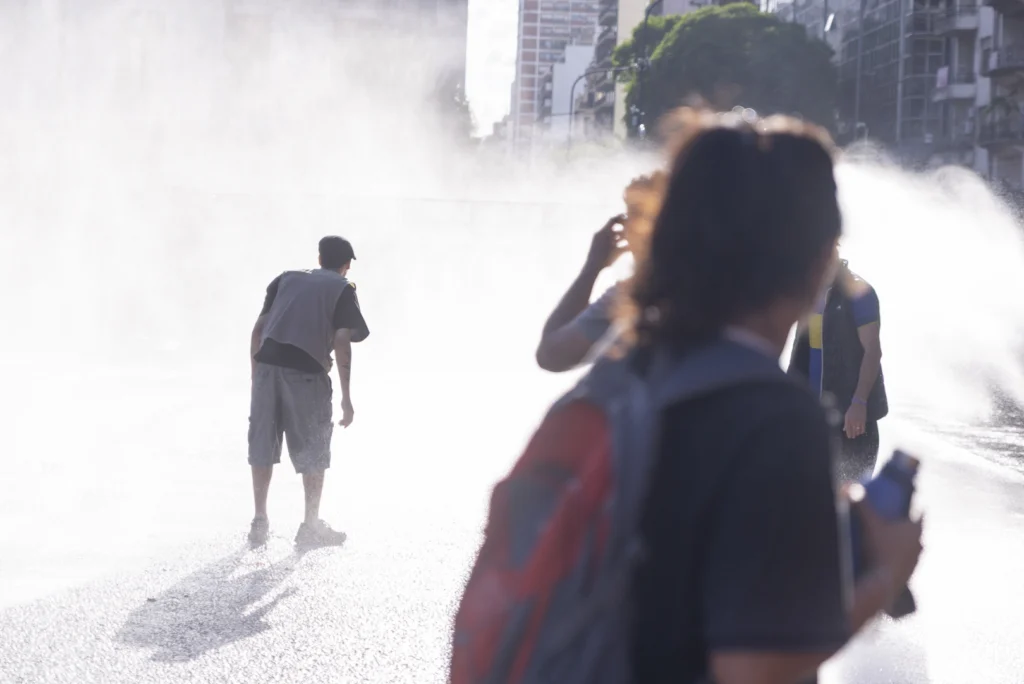
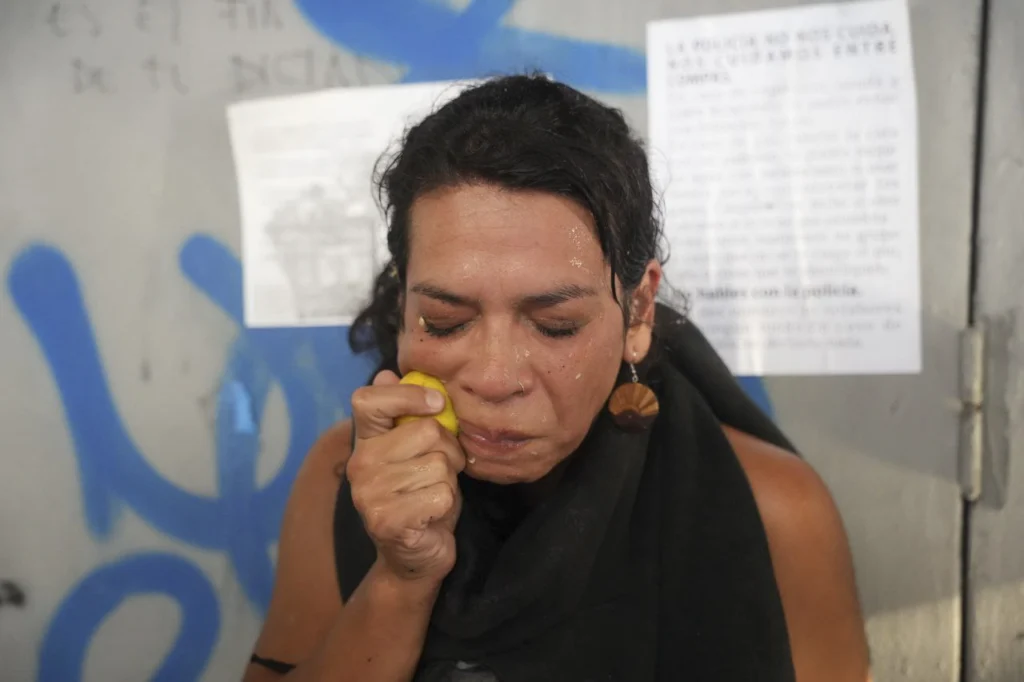
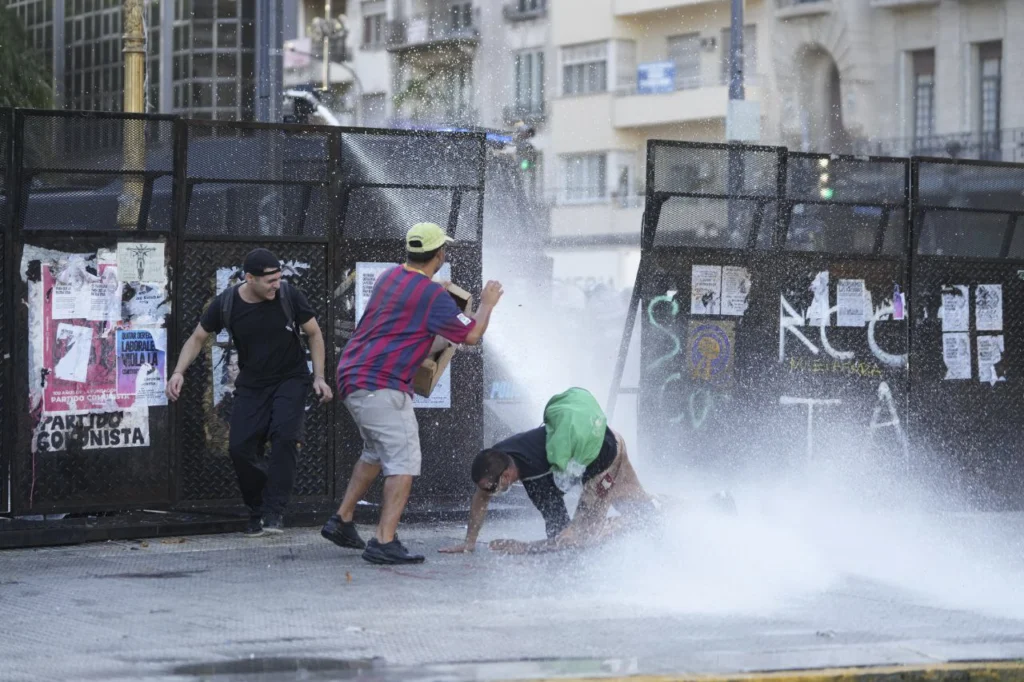
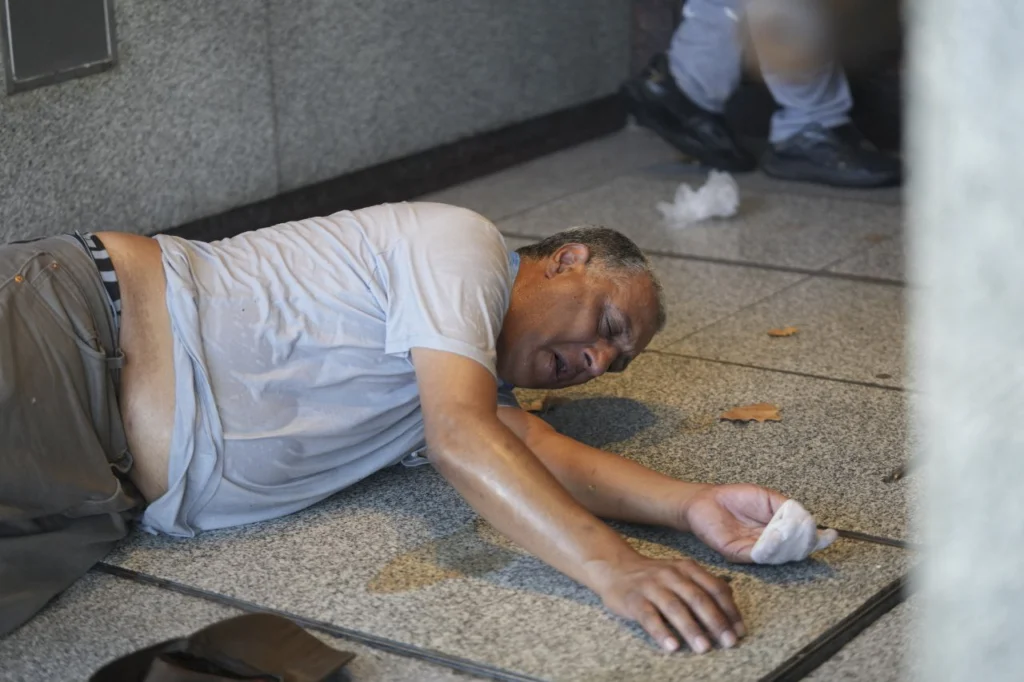
Gendarmerie and Federal Police first deployed water cannons, followed by tear gas, and finally rubber bullets against the remaining protesters. Photos: teleSUR.
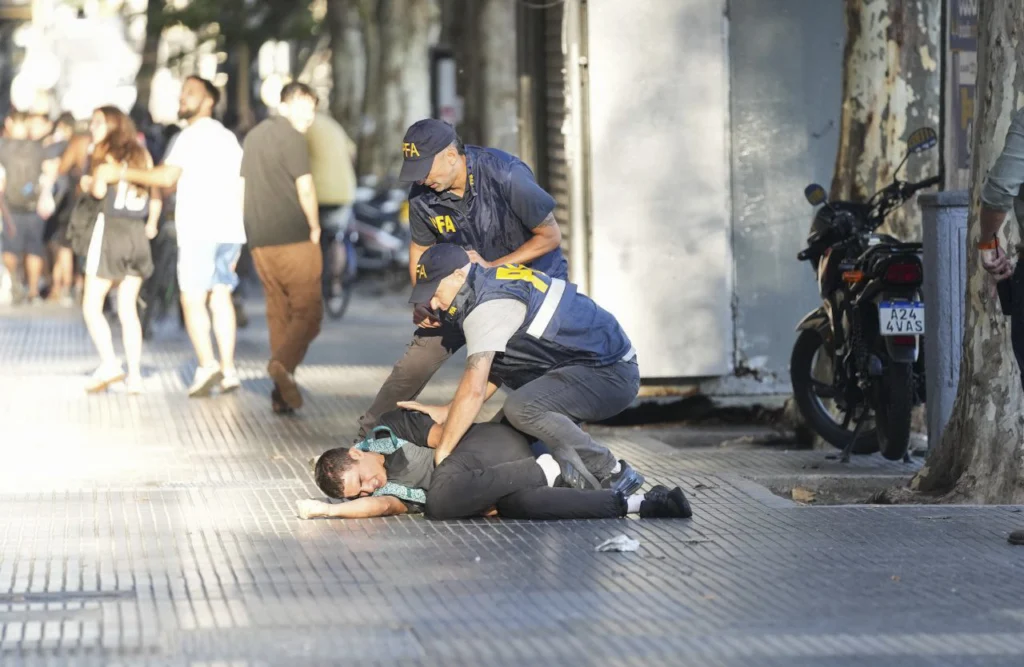
The repression quickly devolved into a systematic persecution and round-up of activists by the Gendarmerie and Federal Police.
According to the Provincial Commission for Memory, an estimated 70 demonstrators required medical attention for injuries sustained from rubber bullets, batons, and tear gas. Furthermore, at least seven individuals were arbitrarily detained, highlighting the indiscriminate nature of the arrests.
(teleSUR)
From Orinoco Tribune – News and opinion pieces about Venezuela and beyond via This RSS Feed.