

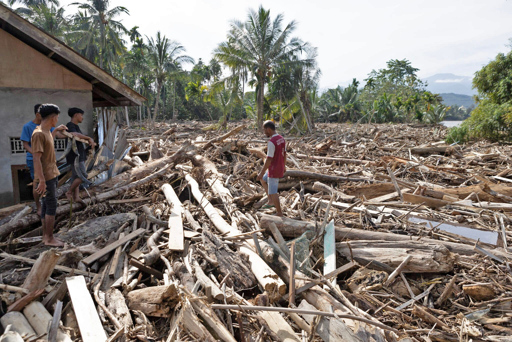
JAKARTA — The Indonesian government’s revocation of 28 forestry, plantation and mining permits after the deadly Sumatra floods is facing new scrutiny after researchers found that several of the concessions cited in the announcement had already expired, been revoked years earlier or are located outside the disaster-hit watersheds. The revocations, announced after Cyclone Senyar triggered landslides and flash floods that killed about 1,200 people, mark a shift in enforcement. Instead of focusing on court-led environmental cases and restoration orders, officials say the land will be managed by state-owned enterprises under the sovereign wealth fund Danantara. Civil society groups say that risks turning a disaster response into a restructuring of control over forest and resource assets. Officials have said the 28 companies violated environmental and forestry regulations through their activities such as forest clearing and thus contributed to ecological damage linked to the disasters. However, an analysis by the NGO Auriga Nusantara found that some of the permits cited in the announcement had already been revoked years earlier, while others had expired before the floods occurred. The discrepancies add to growing confusion over how the policy is being implemented, which companies are actually linked to the November 2025 floods and landslides and what will happen to the former concession areas now slated for transfer to state-owned enterprises under Danantara. “We found that several companies’ concessions are not located in the disaster-affected areas — they are quite far from the disaster zones,” Auriga legal director Roni Saputra told Mongabay. A woman stands…This article was originally published on Mongabay
From Conservation news via This RSS Feed.