

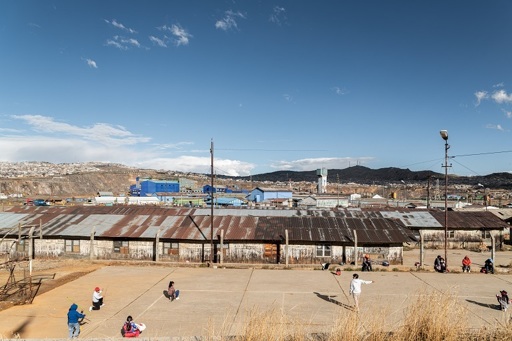
A recent study in Forensic Science International suggests a link between exposure to heavy metals from mining operations and reduced cognitive performance in children in Peru. Researchers say the findings highlight the long-term impact of mining pollution on children’s neurocognitive development and demonstrate that exposure is not a one-time event. The research focused on children living near a heavily contaminated mining district in Cerro de Pasco, in Peru’s Andes Mountains. Extensive mining for lead, zinc and silver has been ongoing there for almost 400 years, since Spanish colonial rule. Industrial mining has intensified over recent decades, exposing residents to contamination from modern mining and a host of serious health consequences, including cancer and other life-threatening diseases. The study looked at metal concentrations in 81 exposed children and 17 unexposed children and compared their neurocognitive abilities and IQs. Exposed children had lead concentrations in their hair of 4.30 mg/kg, 43 times the recommended safe limit of 0.10 mg/kg set by the Micro Trace Laboratory in Germany. They also had elevated levels of arsenic, cadmium and manganese — all toxic heavy metals. The researchers found cognitive performance was lower in the children who had been exposed to mining pollutants compared with those who hadn’t; the mean IQ was 12.3 points lower. Other variables, including verbal comprehension, perceptive analysis and memory, were also impaired in the children with a high body burden from mining. “Simply put, pollution from mining increases children’s exposure to metals that are toxic to the developing brain,” Lucía Ordóñez…This article was originally published on Mongabay
From Conservation news via This RSS Feed.