

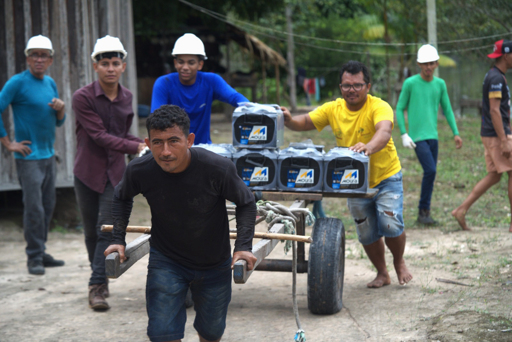
When Brazil approved the construction of the Belo Monte hydroelectric complex on the Xingu River, in Pará state, the megaproject promised to profoundly change the national and local energy landscapes, creating a large offer of clean energy to power industries, illuminate homes and bring development to isolated communities that historically had little to no access to power. However, nearly a decade after the operations of the fourth-largest hydropower facility in the world began in 2016, the reality is starkly different. Vulnerable communities that highly depended on fishing have been severely economically affected, and many riverside families remain disconnected from the grid or pay some of the highest electricity bills in the country. A study published in 2024 by researchers from the State University of Campinas in Brazil and Michigan State University in the U.S., funded by the São Paulo Research Foundation (FAPESP), identified in a household survey covering 500 families in Altamira, Pará, that a vast majority of these families (86.8%) suffered a negative impact on electricity prices after the construction of Belo Monte. The research shows that not only did the “energy progress” promised in the past never materialize, but also that tariffs soared while communities living in the shadow of the Amazon’s largest dam still face blackouts and prohibitive costs. General view of the solar energy system after installation in the Porto Rico community. Image courtesy of Renato Chalu. Lower-income families in small communities in the Amazon region were hit the hardest, not only paying more for electricity,…This article was originally published on Mongabay
From Conservation news via This RSS Feed.