

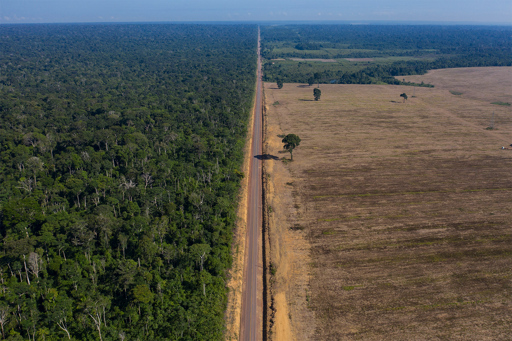
The Amazon Rainforest is approaching a dangerous threshold. Scientists warn that continued deforestation could push the world’s largest rainforest past a tipping point, transforming it into a degraded, fire-prone savanna that emits more carbon than it stores. One of the most effective barriers preventing that outcome is now being dismantled. For nearly 20 years, the Amazon Soy Moratorium has helped protect millions of hectares of forest. It stopped major traders from buying soy grown on land deforested after 2008, breaking the link between agricultural expansion and forest destruction. Earlier this month, following sustained lobbying and political pressure, Brazil’s leading soy industry association withdrew from the agreement, effectively collapsing a system that had become the backbone of responsible soy production in the Amazon. The moratorium helped drive a nearly 70% reduction in deforestation across monitored regions, even as soy production soared. It proved that strong rules and monitoring, backed by market pressure, can protect forests while supporting livelihoods and economic growth. A section of the Amazon rainforest stands next to soy fields in Belterra, Para state, Brazil, on Nov. 30, 2019. Image by AP Photo/Leo Correa. If it collapses fully, the consequences will be devastating. Researchers estimate that Amazon deforestation could rise by 30% in the coming decades, wiping out years of progress and pushing the rainforest closer to irreversible collapse. That would release billions of tons of carbon into the atmosphere and accelerate the climate and biodiversity crises already devastating communities worldwide. The unraveling of the moratorium is not happening…This article was originally published on Mongabay
From Conservation news via This RSS Feed.