

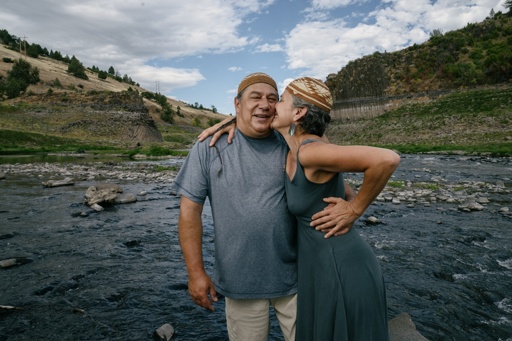
National Geographic photographer Kiliii Yüyan returns to the Mongabay Newscast to share his experience creating his new book, Guardians of Life: Indigenous Knowledge, Indigenous Science, and Restoring the Planet from specialty publisher Braided River. This book documents the traditional ecological knowledge (TEK) of nine Indigenous communities worldwide, featuring contributions and essays from many members of these communities, along with Yüyan’s own photography. TEK, Yüyan says, isn’t exactly traditional so much as it is ecological knowledge that is place-based. While it draws on thousands of years of knowledge, it also innovates in society as we know it, and can offer social, cultural and ecological benefits that neoliberal economics does not. For example, visitors to the Pacific island nation of Palau receive a stamp in their passport that declares they will protect the reef (one of the largest marine protected areas in the world) for all the people and the grandchildren of Palau. The country’s governance structure quite literally integrates family in policing the marine protected area. Yüyan describes what happens if you go hunting in the MPA: You’ll probably get stern shaming from your Aunty, and the whole community will know about it. “The real magic that I discovered [in Palau] as I started talking to people was that the traditional governance structure that they’re all used to over there is what makes it work. What makes it work is family ties.” Many of the Indigenous communities featured in the book are sovereign nations or part thereof, for whom “laws and…This article was originally published on Mongabay
From Conservation news via This RSS Feed.