

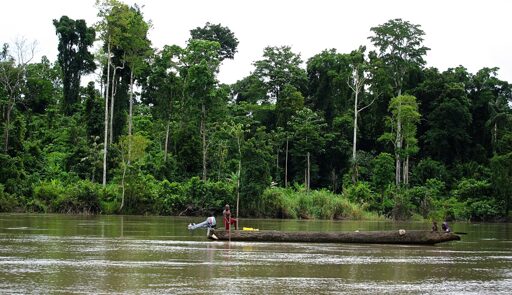
A total of Twenty-nine international banks and export credit agencies have ruled out financing a liquefied natural gas (LNG) project in Papua New Guinea, citing climate, environmental and human rights concerns. The project is led by French oil and gas giant TotalEnergies, which says the project will go on as planned, nonetheless. Twelve financial institutions recently declined the project, including ING, KfW IPEX-Bank and Standard Bank have publicly ruled out financing the project along with major banks such as Crédit Agricole and BNP Paribas. In December 2025, six international NGOs filed a formal complaint about the project with the Equator Principles Association (EPA), a voluntary risk management framework used by financial institutions to assess environmental and social risks of potential infrastructure projects. The complaint raised concerns that the project failed to meet EPA standards. The proposed project is located in Papua New Guinea’s Gulf and Central provinces and has a potential export capacity of 5.6 million metric tons of liquified natural gas per year. The plan includes up to 11 wells, a processing plant and 320 kilometers (200 miles) of onshore and offshore pipeline. The project is expected to emit 220 million metric tons of CO2 annually — nearly the emissions of Spain. Conservationists are concerned that the infrastructure and potential pollution could devastate rare, local wildlife. The would-be project is located in a mountainous region, home to roughly 100 species that haven’t yet been studied by science, Antoine Bouhey from the France-based research and campaigning organization Reclaim Finance told…This article was originally published on Mongabay
From Conservation news via This RSS Feed.