

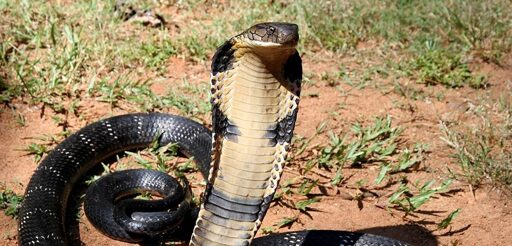
On India’s railways, stowaways are not limited to ticketless passengers. Some arrive without limbs, luggage or much interest in timetables. A paper recently published in Biotropica suggests that king cobras (Ophiophagus kaalinga) may occasionally hitch a ride on trains in western India, turning railways into unexpected dispersal routes. The study, by Dikansh S. Parmar and colleagues, focuses on Goa, a small coastal state better known for beaches than for the world’s longest venomous snake. The authors assembled two decades of snake-rescue records, verified sightings and local reports. Most king cobras turned up where one would expect: forested, wetter, inland parts of the Western Ghats. A species-distribution model broadly supported this pattern. Five cases stood out. Each involved a king cobra found in places the model deemed unsuitable. Each lay close to railway infrastructure. One animal was rescued at Chandor railway station, sheltering among stored rails and concrete pillars. Others appeared near stations or tracks in Vasco da Gama, Loliem, Patnem and Palolem; all of them were poor locations for a forest-dwelling snake. Statistically, they were outliers. The simplest explanation is not that cobras prefer platforms to leaf litter, but that they arrived by accident. Cargo trains pass through high-quality cobra habitat before descending into Goa’s drier lowlands. Rail yards offer cover, rodents and other snakes. A large reptile entering a freight wagon at night could travel dozens of kilometers with little effort, emerging somewhere ecologically unfamiliar. Such journeys are not merely hypothetical. Indian media have documented snakes on moving trains,…This article was originally published on Mongabay
From Conservation news via This RSS Feed.