

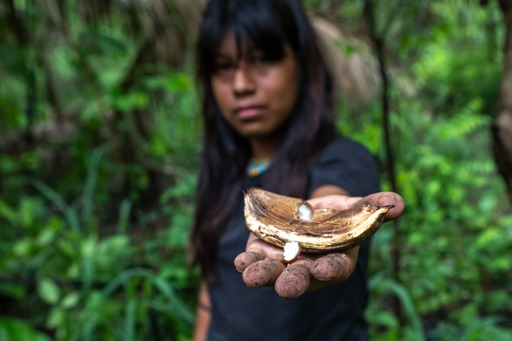
Emotions were running high when Brazilian President Luiz Inácio Lula da Silva announced the formal recognition of several Indigenous territories at COP30, the U.N. climate conference held in the Amazonian city of Belém. For Indigenous peoples in one of those territories — the 22,000-square-kilometer (8,500-square-mile) Kaxuyana-Tunayana Territory — it was a landmark moment in a decades-long struggle for recognition and self-determination. One of the organizations supporting this work behind the scenes, the Podáali Fund, is at the forefront of a shift in philanthropy: the rise of Indigenous-led funds. The mainstream philanthropic sector can be financially conservative by nature. Philanthropic foundations are generally established to exist “in perpetuity” and investment strategies tend to be risk-averse; only a small proportion of the available wealth is distributed each year through grants. Foundation grants are often short-term, administration-heavy and restricted to the funder’s priorities, with decisions made far away from the people and places they are supporting. However, there is growing momentum around trust-based philanthropy and dedicated funds led by the rights-holders and movements they are serving, including women, youth and Indigenous peoples. Indigenous-led funds are created, governed and managed by Indigenous peoples and rooted in their worldviews and values such as respect, reciprocity and trust. The Podáali Fund, the Indigenous fund for the Brazilian Amazon, is one such example. Indigenous leaders invested more than 10 years in discussions and preparations before the Coordination of Indigenous Organizations of the Brazilian Amazon (COIAB) formally established it in 2020. One of their goals is to enable…This article was originally published on Mongabay
From Conservation news via This RSS Feed.