

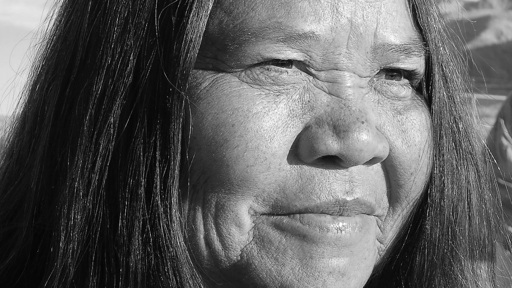
In California’s interior, a long, straight aqueduct carries snowmelt south to a city that grew as if water were a birthright. Along the way it passes a valley that was once defined by water and birds, and is now defined, in part, by what remains when water is removed. A lakebed can become a workplace. The wind can become a health hazard. And a landscape with thousands of years of human memory can be treated as a technical problem to be managed on a fiscal calendar. For the Paiute and Shoshone people of Payahüünadu, the land and water are not abstract inputs. They are history, responsibility, and relationship. That view often collided with the habits of agencies and companies that preferred smaller boxes: dust over here, hydrology over there, cultural sites as a checklist item, and tribal “consultation” at the end of a process rather than the beginning. Kathy Jefferson Bancroft spent decades refusing to accept that partition. Few people did more to insist that this valley be treated as a place with obligations, not just an asset with constraints. She died on January 25, 2026, at 71. Only after one understands the place she guarded does her work make sense. Bancroft was born and raised in Owens Valley. In a 2017 interview with Charlotte Cotton for Metabolic Studio, she described hearing, as a baby, stories from her grandmother about Owens Lake and about life when the lake was full. Her grandmother remembered migrating birds that “would darken the…This article was originally published on Mongabay
From Conservation news via This RSS Feed.