

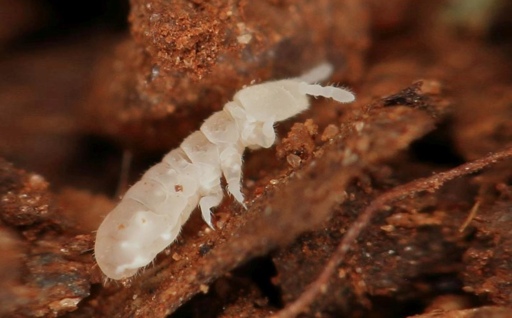
For farmers, sometimes the easiest way to save a crop or prevent catastrophic insect damage is to spray a pesticide. But this common practice is wreaking havoc on the soil, according to new research published recently in the journal Nature. The study examined soil from 26 European countries, finding that pesticide contamination is widespread beyond agricultural lands and substantially damages the beneficial soil organisms essential for healthy ecosystems. Researchers found pesticide residues in 70% of the 373 soil samples collected from agricultural fields, grasslands and forests. The contamination emerged as the second-strongest factor shaping soil biodiversity patterns, surpassed only by basic soil properties like texture and pH. “This contamination has a major impact on various beneficial soil organisms, such as mycorrhizal fungi and nematodes, impairing their biodiversity,” Marcel van der Heijden, a professor at the University of Zurich’s Department of Plant and Microbial Biology and one of the study’s lead authors, said in a statement. Mycorrhizal fungi form partnerships with the roots of plants and generally help plants obtain minerals and water from soil. Image by Wilhelm Zimmerling PAR via Wikimedia Commons (CC BY-SA 4.0). Mycorrhizal fungi, which form partnerships with plant roots to help crops absorb water and nutrients, were among the organisms most affected by pesticide exposure. The fungicide bixafen, commonly used to combat harmful fungi on cereal crops, proved especially damaging to multiple types of soil organisms studied. The harmful effects of pesticides on birds, bees and other insects have been well documented. However, impacts on soil…This article was originally published on Mongabay
From Conservation news via This RSS Feed.