

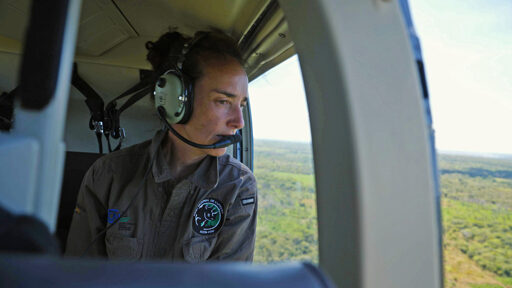
In the early 2010s, Upemba National Park in the southern Democratic Republic of Congo was a case study in the dysfunction of some protected areas in Africa. Park rangers and staff were regularly harassed or killed by armed militias embroiled in the region’s long-running conflicts, and wildlife numbers had declined sharply as a result of widespread poaching. After years of fighting and neglect, by 2012 Upemba was in what one conservationist described as a “pitiful state.” In 2016, Robert Muir, a program officer with the Frankfurt Zoological Society (FZS), founded Forgotten Parks. FZS had been working with the ICCN, the DRC government institute in charge of the country’s protected areas, on a management strategy for Upemba. But after the park’s chief warden was killed in an ambush in late 2012, FZS pulled out. Muir and Forgotten Parks offered to step in, and in 2017 they signed a 15-year deal with the DRC government to run Upemba directly. The deal was part of a wider trend of public-private partnerships (PPPs) for conservation in protected areas in Africa. In parks where governments are either unwilling or unable to manage day-to-day operations on their own, many have turned to foreign NGOs like Forgotten Parks and the higher-profile African Parks to help. According to a 2024 study published in PNAS, there are now more than 127 protected areas in 16 countries that are managed under this arrangement. Mongabay’s Ashoka Mukpo spoke with Christine Lain, the DRC director of Forgotten Parks and current manager of…This article was originally published on Mongabay
From Conservation news via This RSS Feed.