

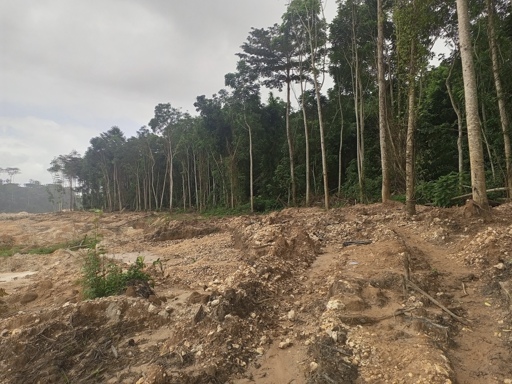
On Dec. 10, 2025, Ghana’s government revoked one of the worst pieces of environmental legislation in our country’s history. The Environmental Protection (Mining in Forest Reserves) Regulations passed in 2022 opened up nearly 90% of Ghana’s forest reserves, including globally significant biodiversity areas, to mining. These forests, which cover more than 9 million hectares (22 million acres), are crucial for providing water, managing microclimates and supporting forest-dependent communities. Ghana’s leading cause of forest loss is industrial mining, and the country — Africa’s biggest gold producer — is among the top three in the world for direct mining-related deforestation. The 2022 legislation compounded the problem, with the government doling out mining permits at a record pace and watching on as forests were besieged by illegal miners. The decision to therefore ban mining in Ghana’s forest reserves marked a significant achievement. This success was built on a campaign that galvanized a remarkably broad coalition, including civil society, faith institutions, trade unions and the general public. Together, we rallied behind the idea that our forests are more important to us than gold. But as momentous as repealing the legislation is, it’s only a staging post in a longer journey to end the devastation that mining is inflicting in Ghana. Unprecedented attack Much of this destruction is associated with galamsey, the illegal small-scale mining that has long blighted our country, but that takes place mostly outside forest reserves. Before 2022, these reserves were largely protected by the law, although incursions by illegal operators were…This article was originally published on Mongabay
From Conservation news via This RSS Feed.