

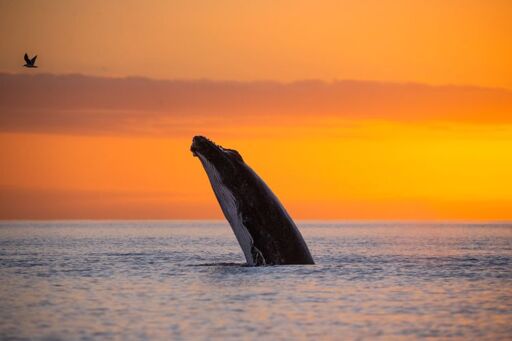
The global moratorium on commercial whaling reached its 40-year mark in January, during which time it’s been credited with helping Earth’s largest creatures recover from centuries of hunting pressure. The moratorium went into effect in January 1986 following a 1982 vote by member countries of the International Whaling Commission. Though a few countries have continued to hunt whales using legal loopholes, the vast majority of the world’s nations have stopped. “The ban has literally saved the great whales from extinction, and is one of the most important global conservation measures ever implemented,” Clare Perry, a senior adviser with the Environmental Investigation Agency’s ocean campaign, told Mongabay in an email. She called the passage of the ban “the defining moment in the IWC’s history.” The IWC was formed in 1946 and is celebrating its 80th anniversary this year. Perry said it started as a “whaler’s club” made up of the 14 biggest whaling nations at the time; today, it has 88 members. The commission sets whaling rules and coordinates conservation of the roughly 90 known species of whales and dolphins. Commercial whaling was already declining by the 1970s as overexploitation depleted whale populations. Regulations and consumer preferences had also shifted. Some national fleets had halted operations even before the moratorium was enacted. The 1982 vote got the three-quarters majority required to pass. Japan, Norway and Iceland opposed the moratorium and are the only countries to conduct commercial whaling since the late 1980s. The IWC doesn’t have enforcement authority, so “if parties…This article was originally published on Mongabay
From Conservation news via This RSS Feed.