

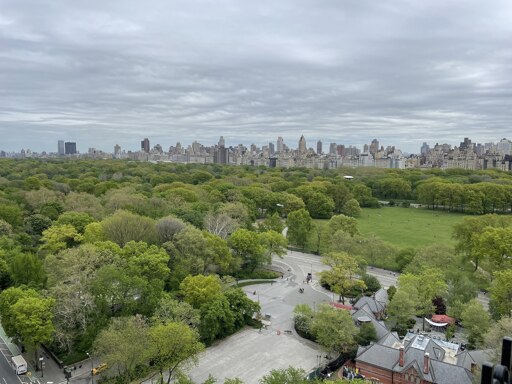
Nighttime light is a well-known hazard for migrating birds and sea turtles. New research suggests it may also pose risks for human health. The study finds that plants exposed to artificial light at night (ALAN) produce pollen for an extended period of time, which is “a major public health issue,” Andrew Richardson, an ecologist with Northern Arizona University, not involved with the study, told Mongabay in an email. “Seasonal allergies cost billions of dollars in healthcare costs as well as making life miserable for those who are highly sensitive. If you’re one of those people, then this research is clearly nothing to sneeze at!” Two primary factors affect when plants begin flowering and producing pollen: temperature and light. Artificial light can’t replace sunlight for plants, but it does “kind of disturb their circadian rhythm and confuses plants,” Lin Meng, with Vanderbilt University and corresponding author of the study, told Mongabay in a video call. To isolate the effects of nighttime lighting, researchers used modeling to control for variables including temperature and precipitation. They analyzed pollen count data along with satellite observations of nighttime and daily temperature and precipitation records. The study, from 2012 to 2023, focused on the northeastern United States, which includes urban areas like New York, Boston and Philadelphia. The researchers found that higher ALAN exposure was associated with higher overall pollen levels in the air and a longer pollen season, roughly a week or two longer. Climate change, and warming temperatures are already known to extend pollen season.…This article was originally published on Mongabay
From Conservation news via This RSS Feed.