

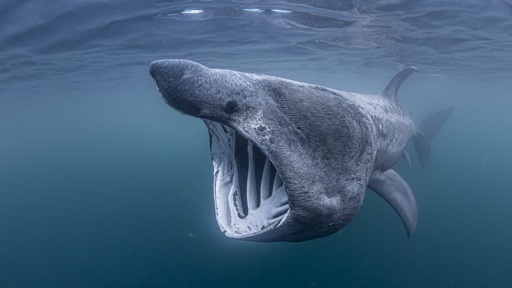
Shark and ray populations are struggling across the world due to overfishing and other threats. A new report delineates 816 areas of the ocean that should be protected to help them recover. The report “Ocean Travellers” was published in December by the IUCN, the global wildlife conservation authority, but wasn’t publicly announced until Jan. 14. Almost all of the 816 areas, known as Important Shark and Ray Areas (ISRAs), host key activities, such as reproduction, for at least one threatened shark or ray species. They’re visible on an online atlas open to the public. Until recently, sharks and rays haven’t been a conservation priority, but the “conversation is changing,” according to Rima Jabado, chair of the IUCN’s Shark Specialist Group, which produced the report to help guide policy decisions. “We want to change the narrative, but to do that, we need the data, and this is the core of this project,” Jabado told Mongabay. “We’re doing the work for the government, so they don’t need to do it.” Researchers from the Greece-based NGO iSea measure a spiny butterfly ray (Gymnura altavela), an endangered species. They did so aboard a gillnet fishing boat in Greece’s Amvrakikos Gulf, a designated Important Shark and Ray Area (ISRA). Image by Philip Jacobson/Mongabay. The ISRA initiative exists alongside similar efforts by the IUCN and other institutions to designate “important areas” for marine mammals, marine turtles and birds. The Convention on Biological Diversity (CBD), a United Nations treaty, also has a map of Ecologically or Biologically…This article was originally published on Mongabay
From Conservation news via This RSS Feed.
Is that a goblin shark in the thumbnail?
