

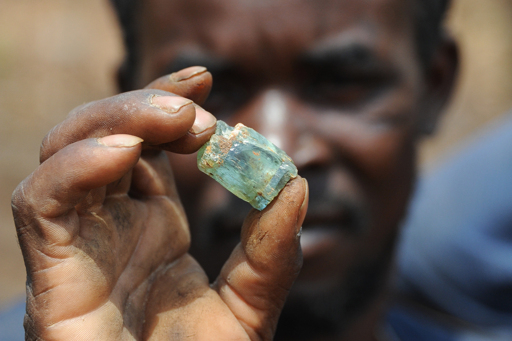
The negotiations were intense, says Julia Peña Niño, the Colombia country manager at the Natural Resource Governance Institute. At the seventh U.N. Environment Assembly (UNEA-7) in Nairobi last December, behind closed doors, Colombia’s joint proposal with Oman was facing resistance from several member states. The Colombian government wanted a legally binding global treaty on sustainability and tracing the flow of critical minerals around the world, as it has been pushing in several U.N. meetings. In the end, it left with a simple three-point nonbinding resolution to enhance international dialogue and cooperation on mineral governance as well as resource recovery from mining waste and tailings. The resolution tried to close the door on further negotiations, but some organizations say the next U.N. Environment Assembly in December 2027 could be grounds for considering a potential global minerals treaty. The intensity of the negotiations reflected “both the urgency to act and the political complexity of addressing the various facets of minerals value chains,” Peña Niño told Mongabay via email. Some observers remain cynical and say national security concerns and economic development played a hand in pushing down the traceability treaty. According to analysts, tracking the flow of minerals is complex work — but may be vital in order to prevent and mitigate the socioenvironmental damage caused by surging mineral demand to feed renewable technology and military industries, such as forest degradation, river contamination and and land-grabs from Indigenous peoples. Geopolitics, elections, intricate supply chains and governance issues all make it more complex. While…This article was originally published on Mongabay
From Conservation news via This RSS Feed.