

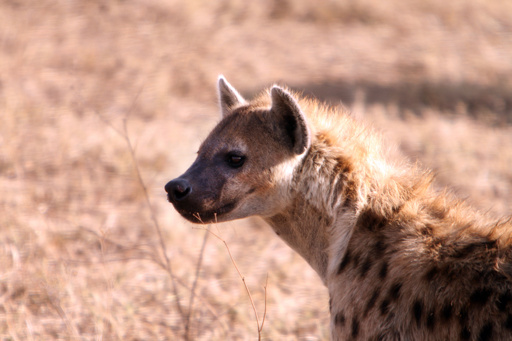
KATHMANDU — On Nov. 8, 2025, a sense of anxiety swept through Rangeli municipality in eastern Nepal. Social media photos appeared to show a cackle of spotted hyenas entering the town from the nearby India-Nepal border. As the images went viral and were picked up by national media, the District Forest Office deployed a team to capture the animals, but to no avail. “No one could confirm the sighting, and we later found the information to be false,” said district forest officer Utsav Thapa. The hyenas in the image (Crocuta crocuta), found in Africa, are also not native to Nepal, it was later revealed. The incident shows how online misinformation is increasingly shaping public perception in the country, including in the wildlife and conservation sector. Such false reports often create confusion and fear, leading to negative views of wild animals, said Gobinda Pokharel, a researcher and conservation officer at the National Trust for Nature Conservation Nepal. “When it comes to wildlife, even many mainstream media publish unverified reports that help spread false information,” Pokharel told Mongabay. “Such instances not only incite fear and confusion but also affect people’s perception of animals, their behavior and, eventually, their conservation.” The hyena incident is not a single isolated case. As internet and smartphone use become pervasive, various forms of misinformation ranging from fake wildlife sightings to protest-related falsehood, are spreading rapidly across social and mainstream media. The trend has fueled public fear while intensifying debates over regulation, digital literacy and freedom of expression.…This article was originally published on Mongabay
From Conservation news via This RSS Feed.